

Why Flag Material Matters
When ordering custom flags from flags-factory.com, the material you choose directly impacts durability, appearance, and performance. Whether you need a national flag for a government building, a promotional banner for a trade show, or an embroidered flag for a special ceremony, understanding fabric options ensures you get the best value. At FlagsWin in Weifang, Shandong, we’ve manufactured flags for many years, and we’ve seen how material choice can make or break a flag’s lifespan.
Common Flag Fabrics: A Detailed Breakdown
Flags are typically made from polyester, nylon, or cotton. Each has unique properties suited for different environments and uses. Below we compare the most popular options.
| Material | Weight | Durability | Best For | Weather Resistance |
|---|---|---|---|---|
| 210D Polyester | Lightweight | Good | Indoor/outdoor, moderate wind | UV-resistant, quick-drying |
| 420D Nylon | Medium weight | Excellent | Outdoor, high wind, long-term display | Water-resistant, strong tensile strength |
| Cotton | Heavy | Moderate | Ceremonial, indoor, historical reproductions | Poor – fades and mildews easily |
| Knitted Polyester | Ultra-light | Fair | Budget flags, short-term events | Limited – best for calm conditions |
210D Polyester: The All-Rounder
210D polyester is our most popular choice at FlagsWin. The “210D” refers to the denier count—a unit measuring fiber thickness. This fabric offers a fine, smooth surface perfect for screen printing or dye sublimation. It flies well in light to moderate winds and resists fading from prolonged sun exposure. Many customers choose 210D for national flags, company logos, and decorative banners because it balances cost and longevity. For example, a 3×5 foot American flag in 210D polyester can last 6-12 months outdoors with proper care.
420D Nylon: Built for the Elements
When maximum durability is required, 420D nylon is the superior choice. The higher denier means thicker, stronger fibers that withstand heavy winds, rain, and UV rays. Nylon also has a slight sheen that makes colors appear more vibrant—ideal for flags that need to stand out. We recommend 420D for large outdoor flags (4×6 feet and above), flags on boats or high-traffic areas, and any application where the flag will fly 24/7. The only downside: nylon costs slightly more than polyester.
Manufacturing Techniques: Sewn vs. Printed vs. Embroidered
Beyond fabric, how your flag is made matters. At flags-factory.com, we offer three main methods:
Sewn Flags (Traditional)
Individual pieces of fabric are cut and stitched together. This method is authentic for national flags with complex designs (like the USA or UK). Sewn flags have a classic look and are extremely durable because the design goes all the way through the fabric. They’re heavier and fly less gracefully but last years.
Screen Printed Flags
Ink is applied directly to the fabric through stencils. This works well for simple designs with solid colors. It’s cost-effective for large quantities but may crack over time if not properly cured.
Dye Sublimation (Digital Print)
Our most advanced technique. The design is printed onto transfer paper, then heat-pressed into the polyester fibers. This creates a permanent, photo-quality image that won’t peel or fade. Perfect for complex logos, gradients, and full-color designs.
Embroidered Flags
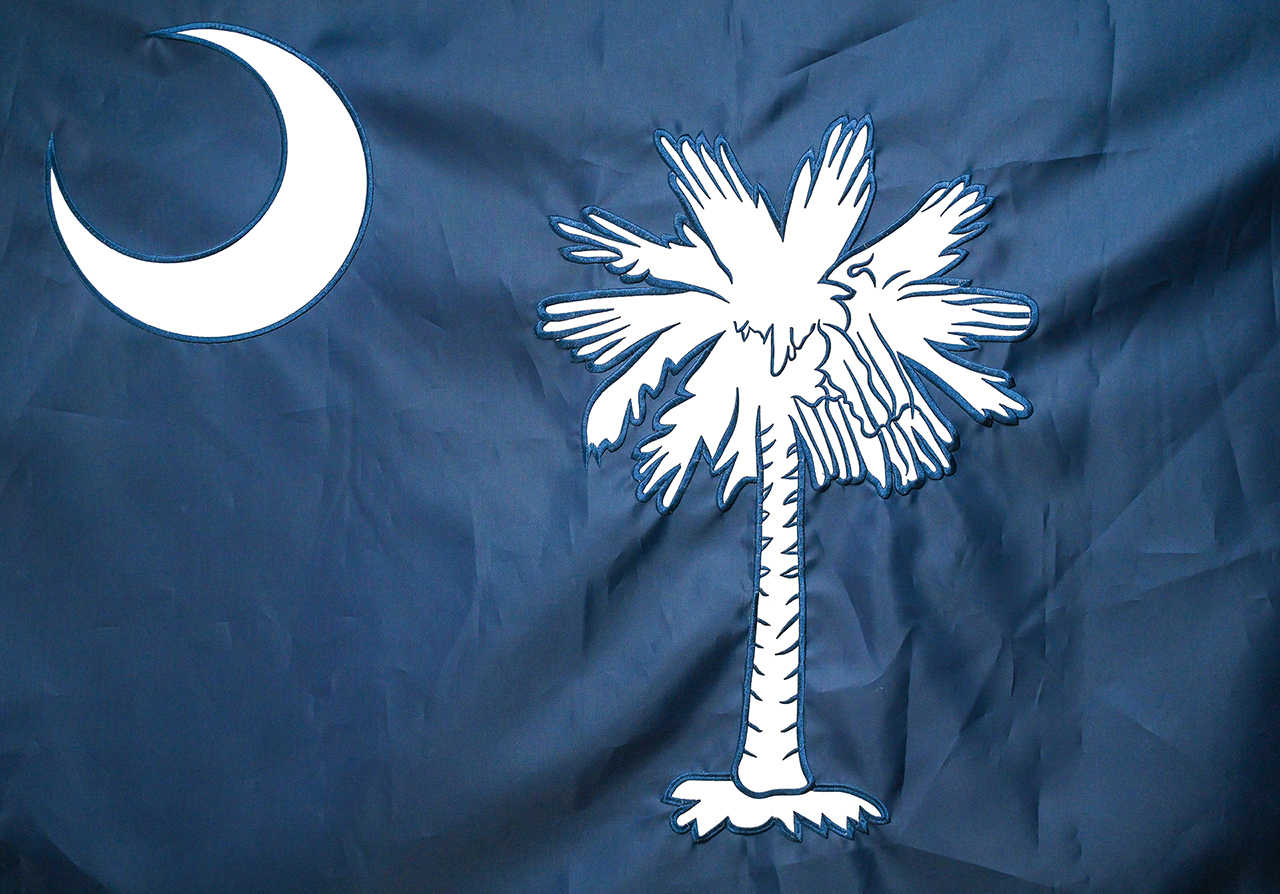
Thread is stitched into the fabric to create raised designs. This adds texture and a premium feel. Commonly used for military units, corporate seals, and special event flags. Embroidery is more expensive but communicates prestige.

Proper Flag Care: Extend Your Flag’s Life
Even the best materials need maintenance. Follow these tips to maximize your flag’s lifespan:
- Take flags down in severe weather – High winds, hail, and heavy rain accelerate wear. A 420D nylon flag can survive a storm, but removing it prevents unnecessary damage.
- Clean regularly – Hand wash with mild soap and cold water. Avoid bleach or harsh detergents. Machine washing is not recommended—it can fray edges and damage prints.
- Dry properly – Air dry flat or hang indoors. Never put a flag in the dryer. Heat can shrink polyester and melt nylon.
- Store correctly – Fold neatly and keep in a cool, dry place away from direct sunlight. Use a breathable storage bag to prevent mildew.
- Inspect for damage – Check seams, hems, and grommets after each use. Small tears can be repaired with fabric glue or sewing. Replace flags when colors fade significantly or fabric becomes brittle.
Choosing the Right Flag Size
Flag size should match your flagpole height. A general rule: the flag length should be one-quarter to one-third of the pole height. For example:
- 20-foot pole → 4×6 foot flag
- 25-foot pole → 5×8 foot flag
- 30-foot pole → 6×10 foot flag
Indoor flags can be smaller—2×3 or 3×5 feet work well for most rooms. At flags-factory.com, we offer custom sizes for unique display needs.
Historical Note: The Evolution of Flag Materials
Flags have existed for millennia. Early flags were made from wool, linen, or silk—heavy materials that didn’t fly well. The modern flag industry transformed with synthetic fabrics. In the 1950s, nylon became popular for its strength and lightness. Polyester followed in the 1970s, offering UV resistance and affordability. Today, FlagsWin uses advanced weaving techniques to produce fabrics that are 40% lighter and 60% stronger than traditional options. Our 210D and 420D materials are engineered specifically for flag use, with reinforced hems and double-stitched seams.
Final Recommendation
For most customers ordering from flags-factory.com, we recommend 210D polyester for indoor or moderate outdoor use, and 420D nylon for heavy-duty outdoor applications. If you need a special ceremony flag, consider embroidered cotton or blended fabrics. Every order from FlagsWin includes free hem reinforcement, brass grommets, and a satisfaction guarantee.
Ready to order? Browse our collection of national flags, custom designs, and premium banners at flags-factory.com. Our team in Weifang is ready to craft your perfect flag with the right material, technique, and care instructions included.
