

How to Choose and Care for Outdoor Flags: Materials, Longevity, and Best Practices
Whether you’re flying a national flag at a government building, a company banner at a trade show, or a decorative garden flag at home, the longevity and appearance of your flag depend on two critical factors: the materials it’s made from and how you care for it. At FlagsWin (旗韵), we’ve been manufacturing premium flags in Weifang, Shandong—the global hub of flag production—for years, and we understand what makes a flag stand up to sun, wind, and rain. In this guide, we’ll walk you through the most common flag materials, how to choose the right one for your needs, and simple care tips to keep your flag looking vibrant season after season.
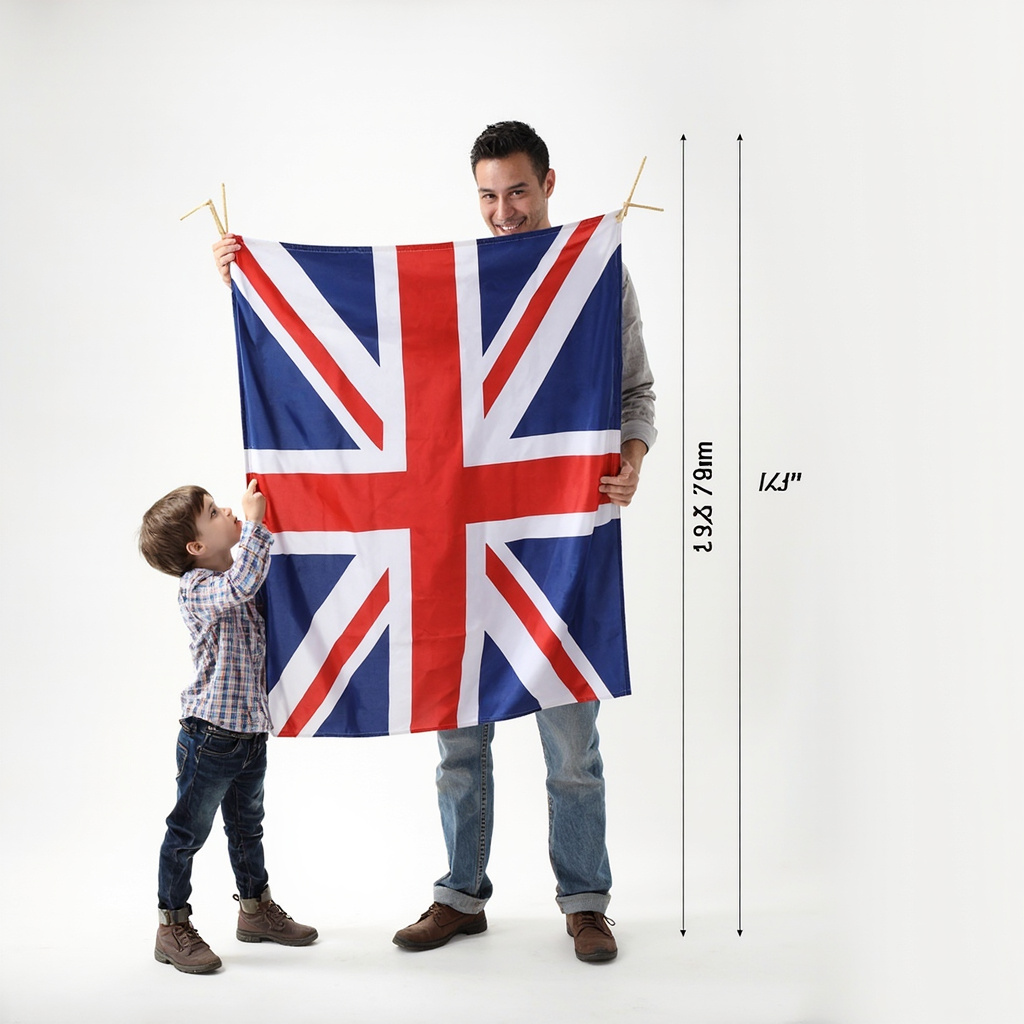
Understanding Flag Materials: Nylon vs. Polyester
The two most common materials for outdoor flags are nylon and polyester. Each has distinct advantages, and the best choice depends on your climate, usage frequency, and budget.
210D Nylon Flags: Lightweight and Vibrant
210D nylon is the industry standard for most outdoor flags. The “210D” refers to the denier (fiber thickness), meaning it’s a lightweight yet durable fabric. Here’s why it’s so popular:
- Vibrant colors: Nylon accepts dyes exceptionally well, resulting in bright, saturated colors that hold up against UV light.
- Fast-drying: Nylon dries quickly after rain, reducing the risk of mildew or water damage.
- Lightweight: A nylon flag flies in even a light breeze, making it ideal for moderate wind conditions.
- Best for: National flags, decorative flags, and flags used in mild to moderate wind areas.
420D Polyester Flags: Heavy-Duty and Long-Lasting
420D polyester is a heavier, more rugged fabric designed for extreme conditions. It’s often used for government flags, military displays, and high-traffic commercial applications.
- Exceptional durability: Polyester fibers are stronger and more resistant to fraying, tearing, and sun degradation than nylon.
- Wind resistance: The heavier weight means the flag moves less violently in high winds, reducing stress on stitching and the flagpole.
- Fade resistance: Polyester holds color well, especially when treated with UV inhibitors.
- Best for: High-wind areas, 24/7 display, large flags (3×5 ft and larger), and professional use.
| Feature | 210D Nylon | 420D Polyester |
|---|---|---|
| Weight | Lightweight | Heavy-duty |
| Color Vibrancy | Excellent | Good |
| Drying Speed | Fast | Moderate |
| UV Resistance | Good | Excellent |
| Best Wind Range | 5-15 mph | 10-30 mph |
| Typical Lifespan | 3-6 months | 6-12 months |
| Price | $$ | $$$ |
Key Manufacturing Features That Affect Flag Durability
At FlagsWin, we use several techniques that extend flag life beyond standard construction:
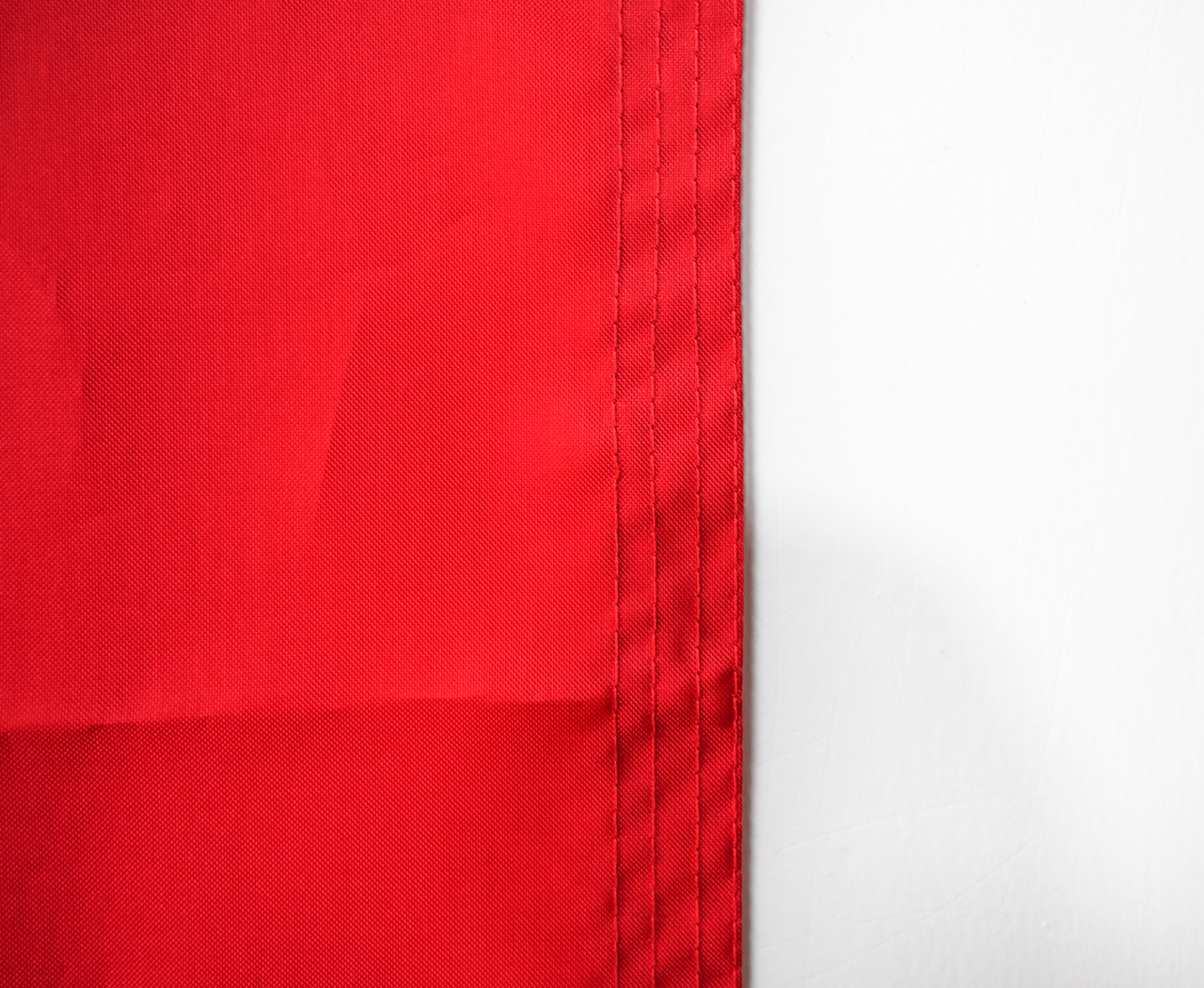
- Reinforced stitching: Double-stitched seams and fly ends prevent fraying. Our flags use high-tensile polyester thread that resists UV breakdown.
- Canvas header: A heavy-duty white canvas strip with brass grommets is sewn into the hoist side. This distributes stress evenly and prevents tearing at the attachment points.
- Screen printing vs. embroidery: For detailed designs, screen printing offers sharper detail and is lighter. Embroidery adds weight but is extremely durable for letters and emblems.
- UV treatment: Premium polyester flags receive a UV-resistant coating that slows fading even in direct sunlight.
Proper Flag Care: Extend Your Flag’s Life by Months
Even the best-made flag will wear out if neglected. Follow these simple tips to maximize your flag’s lifespan:
1. Take Your Flag Down in Severe Weather
No flag is designed to withstand hurricane-force winds or heavy ice. When storms are forecast, remove your flag to prevent damage to both the flag and the flagpole.
2. Wash Your Flag Gently
Dirt and pollutants accelerate fabric wear. Wash your flag by hand or on a gentle cycle in cold water with mild detergent. Never use bleach or harsh chemicals. Air dry only—tumble drying can damage stitching.
3. Repair Minor Damage Promptly
A small fray at the edge can quickly become a large tear. Use a needle and UV-resistant thread to stitch small rips. For larger damage, consider replacing the flag—a patched flag may not fly correctly.
4. Rotate Your Flag
If your flag faces a predominant wind direction, rotate it 180 degrees every few months. This balances sun and wind exposure, preventing one side from fading faster.
5. Store Properly
When not in use, fold your flag neatly and store it in a cool, dry place away from direct sunlight. Avoid storing a damp flag, which can develop mildew.
When to Replace Your Flag
Even with excellent care, flags are consumable items. Replace your flag when you notice:
- Frayed edges or loose stitching along the fly end
- Significant fading that makes colors look washed out
- Tears or holes larger than 1 inch
- Worn or broken grommets
A good rule of thumb: if your flag looks ragged or unprofessional, it’s time for a new one. Flying a worn flag can actually cause more damage to your flagpole and halyard.
Why Choose FlagsWin (旗韵) for Your Flag Needs?
Based in Weifang, Shandong—the world’s largest flag production region—our factory combines years of craftsmanship with modern manufacturing technology. Every flag we produce at FlagsWin undergoes strict quality checks, from fabric inspection to final stitching. We offer custom sizes, custom designs, and bulk discounts for businesses, schools, and organizations.
Whether you need a single 210D nylon national flag for a home display or a fleet of 420D polyester banners for a corporate event, we have the expertise and inventory to deliver.
Conclusion: Make Your Flag Last
Choosing the right material and caring for your flag properly can triple its lifespan. For everyday use in moderate climates, 210D nylon offers the best balance of beauty and durability. For harsh conditions or 24/7 display, invest in 420D polyester. And no matter what you choose, remember to take it down in storms, wash it gently, and repair small issues early.
Ready to find your perfect flag? Browse our full collection of outdoor flags, custom banners, and national flags at flags-factory.com. From American flags to company logos, we have the quality and craftsmanship to make your display shine.
