

Buying your first flag should be simple — you pick a design, a size, and you’re done. Then you reach the material options and things get murky. Polyester, nylon, cotton: they all look similar in a product photo, yet they behave very differently on a pole, in a breeze, and after a season outdoors.
This guide walks through each of the three fabrics that account for most flags sold today, explains what each one is actually good at, and helps you match the material to how you plan to use the flag.
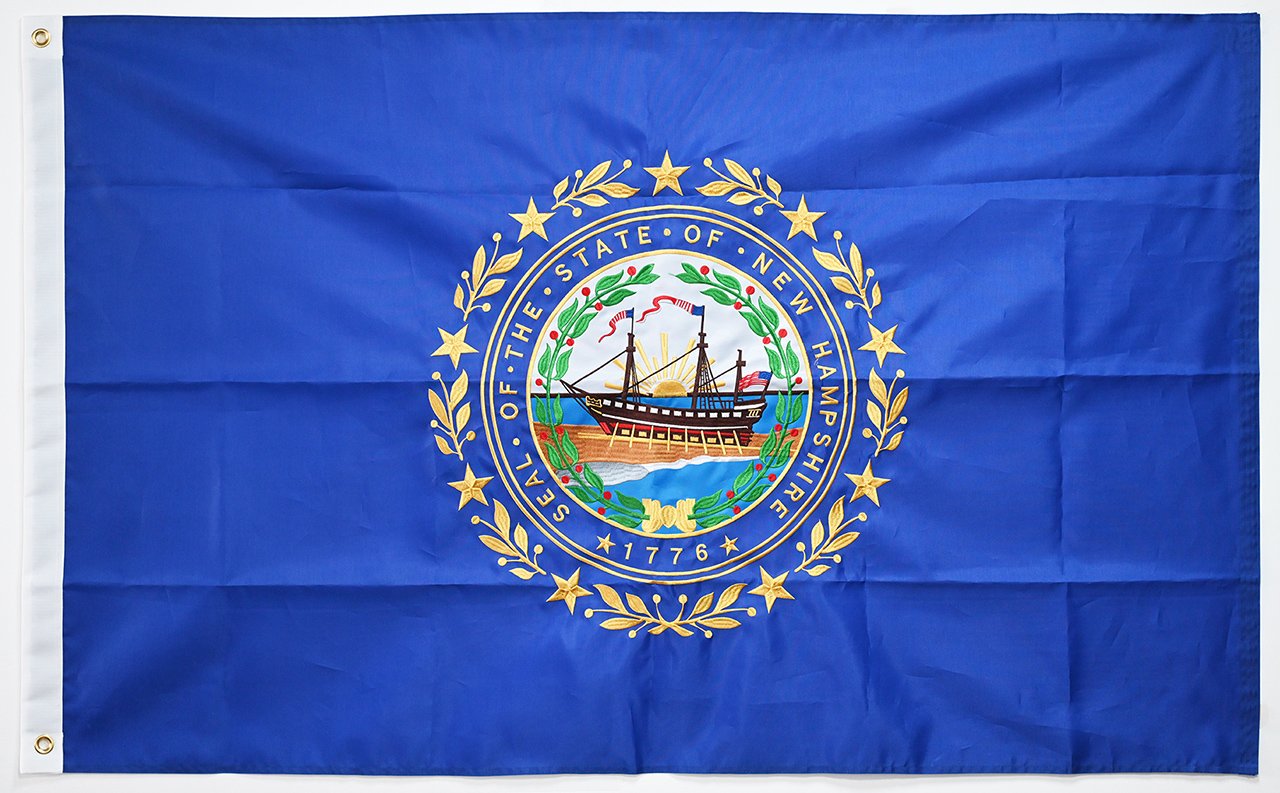
The Short Answer, Before the Details
- Polyester — the most common all-round choice for outdoor display; good value, holds up to sun and wind, available in printed and sewn formats.
- Nylon — lightweight and strong, flies in the lightest breeze, dries fast; popular for ceremonial and parade use.
- Cotton — traditional matte look with a soft drape; well suited to indoor and formal settings, and it asks for more care if used outdoors.
Polyester: The Everyday Workhorse
Polyester is what most people picture when they think of a flag. It’s a synthetic fiber that takes dye consistently, resists sunlight reasonably well, and doesn’t soak up water the way a natural fiber does.
Within polyester you’ll usually see two variants:
Knitted polyester (often called “bunting” or poly-knit)
A loose, open knit that lets air pass through. That airflow matters more than most first-time buyers realise: a flag that lets wind through flexes and spills air instead of fighting it, which generally means less stress on the seams and the fly end. It’s lightweight, dries quickly, and is a solid choice for a flag that will live on an outdoor pole.
Spun or woven polyester
A denser, heavier fabric with a more opaque, uniform surface. It looks crisper up close and is often chosen for indoor displays, presentations, and larger flags where a substantial appearance is wanted. Because it’s heavier, it needs a bit more wind to fly fully — on a still day it tends to hang rather than ripple.
Choose polyester if: your flag will be outside most of the time, you want a balance of appearance and value, and you expect regular wind.
Nylon: Light, Strong, and Quick to Dry
Nylon is lighter than polyester for the same size of flag, and notably strong for its weight. That combination produces the quality people notice first: a nylon flag lifts and flies in a very light breeze, when a heavier fabric would be hanging limp.
It also handles moisture well. Nylon sheds rain and dries fast, which makes it a practical choice in humid or changeable climates. Its surface has a slight sheen, which some buyers like for its brightness and others find less traditional than a matte finish.
Two things to keep in mind. Nylon typically costs more than polyester. And because it’s thinner, long-term exposure to intense sunlight can take a toll on its colour over time — worth considering if your flag will face all-day sun year round.
Choose nylon if: your location has light or inconsistent wind, you want the flag to fly rather than hang, and you’re displaying it for ceremonies, parades, or a shorter seasonal period.
Cotton: Traditional Look, Different Demands
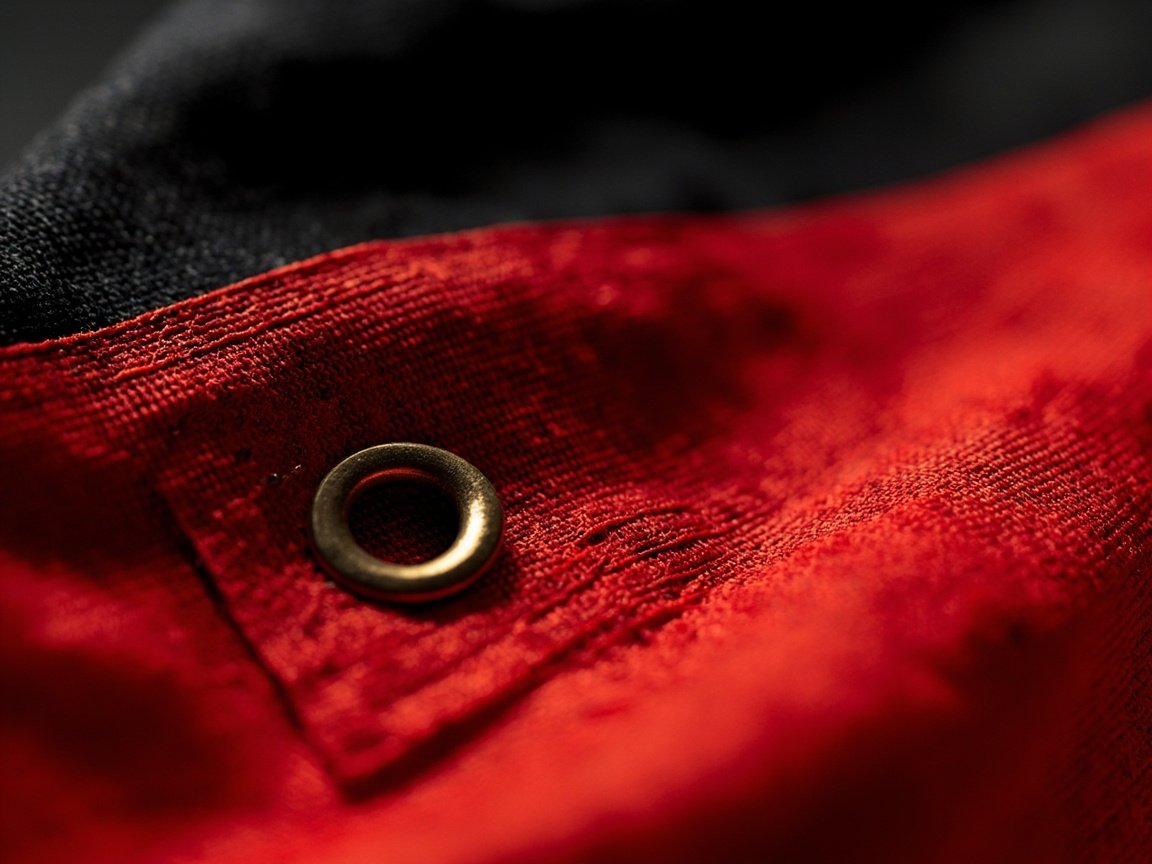
Cotton is the classic flag fabric — matte, softly textured, with a natural drape that photographs and displays beautifully. Flags made from cotton are frequently constructed with sewn stripes and embroidered or appliquéd stars rather than printed, giving them a distinctly crafted appearance.
The trade-off is maintenance. Cotton absorbs moisture, so a wet flag gets heavy and can be slow to dry; if it stays damp and folded, mildew becomes a risk. It’s also heavier than the synthetics, so it needs a decent breeze to fly well. And because it’s a natural fiber, its colours tend to soften and mellow with sun exposure rather than hold a crisp tone indefinitely.
None of that makes cotton a bad choice — it just steers it toward the right setting. Indoors, in a hall, office, or historic display, cotton is hard to beat for character. Outdoors, it’s best treated as an occasional-use flag: flown for an event or a season, then taken down and stored dry.
Choose cotton if: the flag is for indoor or ceremonial display, you want a traditional handcrafted look, and you’re prepared to store it properly.
Side-by-Side Comparison
| Fabric | Look & feel | Light wind | Moisture | Colour over time | Typical use | Relative cost |
|---|---|---|---|---|---|---|
| Knitted polyester | Light, slightly textured, matte | Good | Dries quickly | Fade-resistant with reasonable care | Everyday outdoor flagpoles | Value-friendly |
| Spun / woven polyester | Denser, crisp, opaque | Moderate | Dries quickly | Fade-resistant with reasonable care | Indoor display, formal settings | Moderate |
| Nylon | Light, smooth, slight sheen | Very good | Sheds water, dries fast | Sun-sensitive over long exposure | Ceremonial, parade, light-wind sites | Higher |
| Cotton | Matte, soft drape, traditional | Needs more breeze | Absorbs water, slow to dry | Softens and mellows naturally | Indoor, ceremonial, heritage displays | Often higher |
How to Decide in Three Questions
- Where will it hang? Outdoors on a pole in all weathers → polyester. Indoors, or outdoors for occasional events → cotton is worth the extra care.
- How much wind do you get? If the air is usually still, nylon’s lighter weight will fly when other fabrics sag.
- How long will it stay up? Continuous exposure favours polyester. Rotating a flag indoors and outdoors, or taking it down in storms, extends any fabric’s useful life.
Quick Answers for First-Time Buyers
Can I print a logo on any of these fabrics?
Yes. Printed designs are common on polyester and nylon. Cotton is more often used with sewn and embroidered construction, though printing is possible depending on the design’s complexity.
Does weight affect how the flag sounds and moves?
It does. Lighter nylon flutters audibly and quickly; heavier cotton and spun polyester move more slowly and quietly. If noise near a bedroom or office window matters, the heavier fabrics are usually the friendlier option.
What about finishing details?
Fabric is only part of the picture. Reinforced fly-end stitching, a sturdy heading, and quality grommets or a sleeve all affect how long a flag lasts. It’s worth checking these as carefully as the material itself.
Which is easiest to look after?
Synthetics. Polyester and nylon can generally be hand-washed gently and air-dried. Cotton needs more patience — keep it dry, store it flat or rolled, and never put it away damp.
Final Thoughts
There isn’t a single right answer here — only the right match between fabric and purpose. For a flag that will spend its life outdoors, polyester offers a dependable balance of appearance, weather resistance, and value. Nylon suits light-wind locations and ceremonial use. Cotton brings a traditional character that synthetics simply don’t imitate, as long as you’re prepared to give it a little more attention.
Ready to see the options in person? Browse our custom flags and banner products at FlagsWin — choose your fabric, size, and finishing, and we’ll take care of the rest with careful craftsmanship and strict quality control.
Email: flagswin@flag-win.vip
WhatsApp: +86 13031678795
Facebook: https://www.facebook.com/StarFlagFactory/
Alibaba.com: https://wfqyflag.en.alibaba.com/
