

Introduction: Why Flags Matter More Than Ever
Flags are more than just pieces of fabric—they are symbols of identity, pride, and communication. From national anthems waving in the wind to custom banners promoting businesses at trade shows, flags have a timeless appeal. At flags-factory.com, we take pride in manufacturing flags that stand the test of time, using materials like 210D and 420D polyester, nylon, and advanced techniques such as sewing, embroidery, and screen printing. Whether you’re a B2B buyer sourcing for a government contract or a B2C customer looking for a personalized gift, understanding the materials and care behind flags ensures you get the best value. In this guide, we’ll explore flag history, material science, and practical care tips to keep your flags vibrant for years to come.
A Brief History of Flags: From Battlefields to Branding
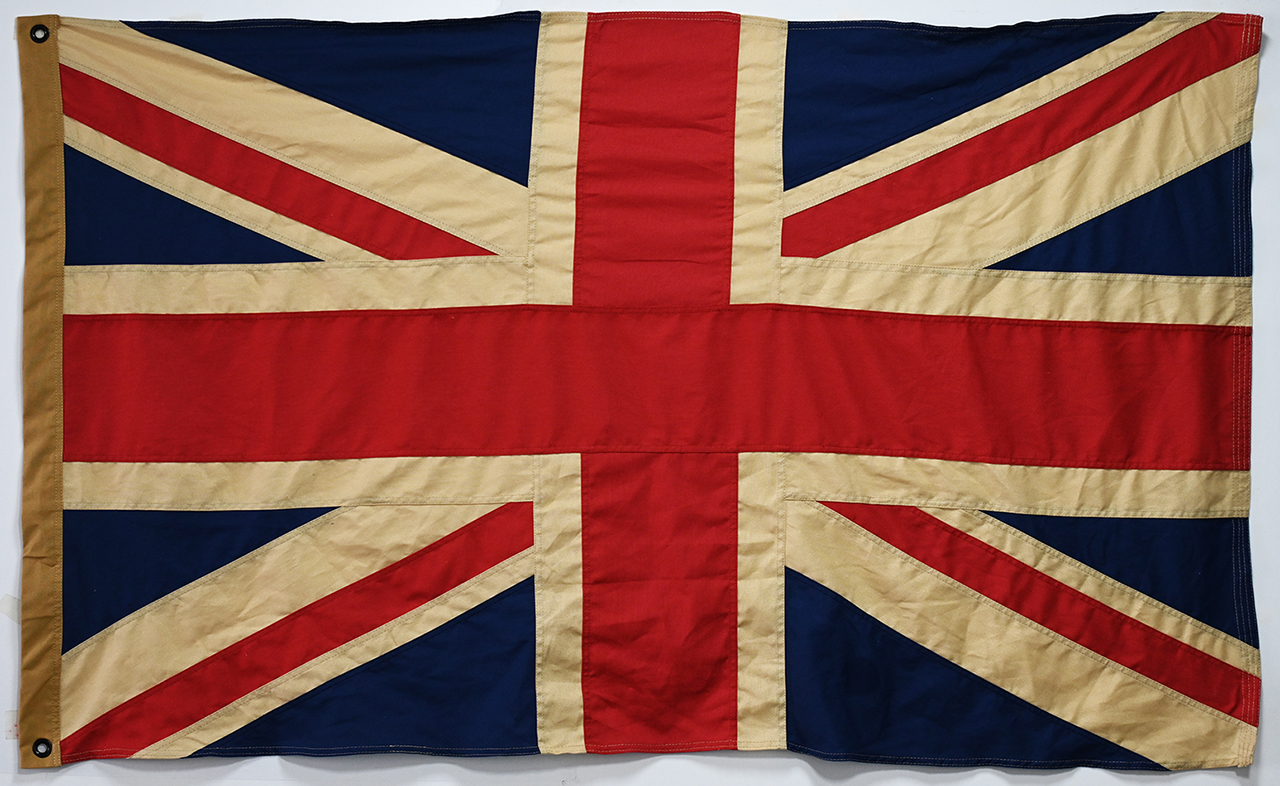
Flags have been used for thousands of years. The earliest recorded flags date back to ancient China and Egypt, where they served as military standards and symbols of power. The Roman Empire used vexillum—a cloth attached to a crossbar—which evolved into the modern flag. By the Middle Ages, flags were essential for identifying knights on the battlefield and ships at sea. The 18th and 19th centuries saw the rise of national flags, such as the Stars and Stripes (1777) and the Tricolore of France (1794). Today, flags are used for everything from national pride to corporate branding, with custom flag production becoming a global industry.
In 2026, the flag industry continues to innovate. With advancements in digital printing and durable textiles, manufacturers like those at flags-factory.com can produce flags with high-resolution graphics, fade-resistant inks, and weatherproof finishes. Understanding this evolution helps you appreciate the craftsmanship behind every flag.
Flag Materials: Choosing the Right Fabric for Your Needs
The material of a flag determines its durability, appearance, and performance. Here’s a breakdown of the most common fabrics used at flags-factory.com:
1. 210D Polyester
This is our most popular material for outdoor flags. “210D” refers to the denier (fiber thickness), which indicates durability. 210D polyester is lightweight yet strong, making it ideal for everyday use. It resists fraying, dries quickly, and holds colors well. Common uses include national flags, state flags, and corporate banners.
2. 420D Polyester
For heavy-duty applications, 420D polyester offers superior strength. It’s thicker and more resistant to wind and rain, perfect for flags exposed to harsh weather conditions. It’s often used for large flags (3×5 feet and above) and commercial installations.
3. Nylon
Nylon flags are known for their vibrant colors and lightweight feel. They flutter beautifully in even a light breeze, making them a favorite for decorative or ceremonial use. However, nylon is less UV-resistant than polyester, so it’s best for indoor or occasional outdoor use. Many customers choose nylon for custom flags with intricate designs.
4. Cotton
Cotton flags have a classic, soft texture and are often used for indoor displays or historical replicas. They are not recommended for prolonged outdoor use due to fading and mildew risks.
Comparison Table of Flag Materials
| Material | Durability | Color Vibrancy | Best Use | Weather Resistance |
|---|---|---|---|---|
| 210D Polyester | High | Excellent | Outdoor, everyday use | Good UV & water resistance |
| 420D Polyester | Very High | Excellent | Heavy-duty outdoor | Excellent wind & rain |
| Nylon | Moderate | Superb | Indoor/light outdoor | Moderate UV sensitivity |
| Cotton | Low | Good | Indoor/ceremonial | Poor; avoid outdoor |
Manufacturing Techniques: Sewing, Embroidery, and Screen Printing
At flags-factory.com, we use three primary methods to bring your designs to life:
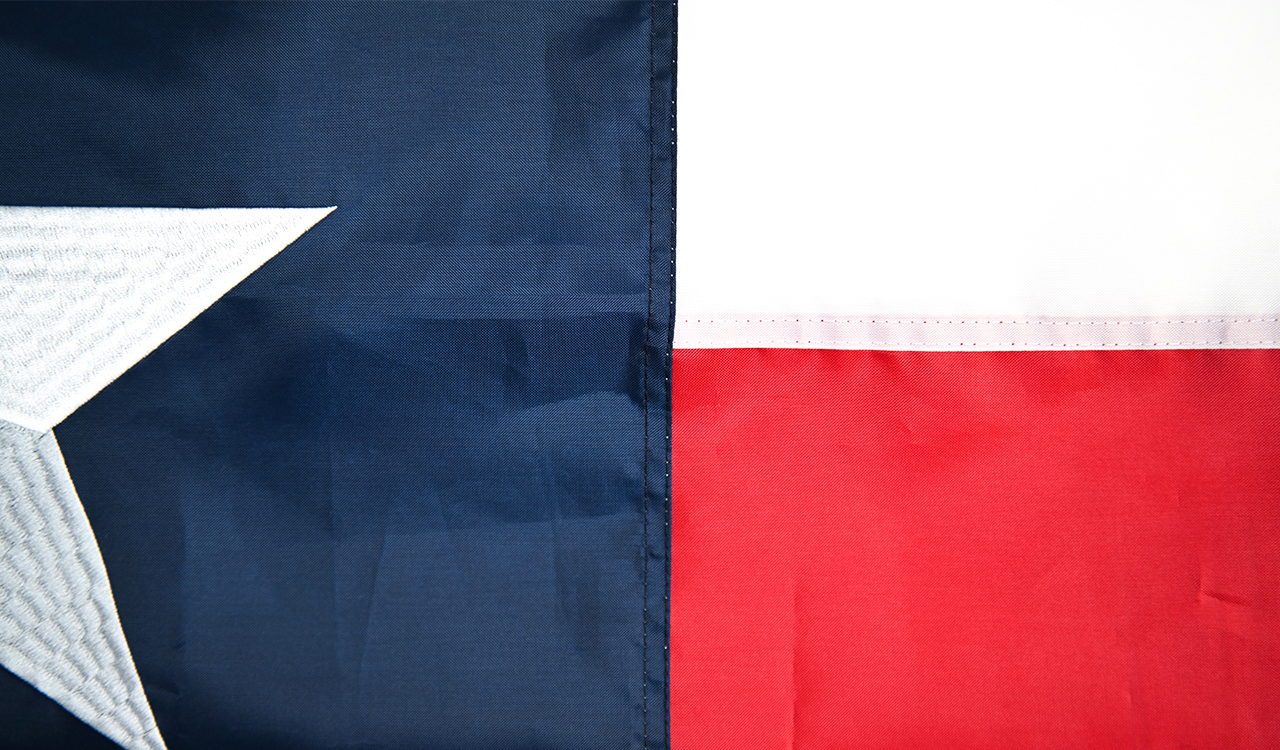
- Sewn Flags: The most traditional method. Individual pieces of fabric are cut and sewn together to create the design (e.g., stars and stripes). This is extremely durable and authentic-looking, ideal for national flags.
- Embroidered Flags: Designs are stitched directly into the fabric using thread. This adds texture and depth, often used for seals, logos, or intricate patterns. It’s more expensive but highly prestigious.
- Screen Printed Flags: Ink is applied through a mesh screen onto the fabric. This allows for high-detail, multi-color designs at a lower cost. It’s best for custom banners, promotional flags, and large orders.
Each method has its pros and cons. For example, sewn flags are heavier but last longer, while printed flags are lighter and more affordable. Our team helps you choose the best option based on your budget and usage.
Proper Flag Care: Extending the Life of Your Investment
Even the best materials need proper care. Follow these tips to keep your flags looking new:
Cleaning
Hand wash your flag in cold water with mild detergent. Avoid bleach or harsh chemicals. Machine washing is possible on a gentle cycle, but use a mesh bag to prevent fraying. For polyester flags, you can also spot clean with a soft cloth.
Drying
Air dry your flag flat or hanging in the shade. Do not use a dryer, as heat can damage the fabric and fade colors. Nylon flags are especially sensitive to high heat.
Storage
Fold flags neatly and store them in a cool, dry place away from direct sunlight. Use acid-free tissue paper for long-term storage to prevent yellowing. Avoid storing flags in plastic bags, which can trap moisture.
Repair
Small rips or fraying can be mended with a needle and thread. For larger damages, consider contacting a professional. At flags-factory.com, we offer repair services for custom flags.
When to Replace
Even with care, flags have a lifespan. Outdoor flags typically last 3-6 months in harsh weather, while indoor flags can last years. Signs of wear include fading, frayed edges, and torn grommets. Replace them promptly to maintain a professional appearance.
Usage Tips for Different Settings
Whether you’re flying a flag at home, at an event, or for business, here are some tips:
- Residential Use: Choose 210D polyester for durability. Ensure your flagpole is sturdy and the flag is not flown in severe storms.
- Corporate Branding: Custom printed flags on nylon or polyester are great for trade shows. Use weighted bases for indoor displays.
- Government and Military: Sewn flags with reinforced stitching meet protocol standards. We offer compliance with national flag codes.
- Special Events: Consider embroidery for a premium look at weddings or parades. Order in advance to allow production time.
Conclusion: Elevate Your Flag Experience with Flags-Factory.com
Flags are a powerful way to express identity, and choosing the right materials and care ensures they remain a source of pride. At flags-factory.com, we combine traditional craftsmanship with modern technology to deliver flags that exceed expectations. Whether you need a single custom flag for your home or bulk orders for a national campaign, our team in Weifang, China, is ready to help. Browse our collection today and experience the difference of premium manufacturing.
Ready to find your perfect flag? Visit flags-factory.com now and explore our range of materials, sizes, and customization options. Your flag, your way.
