

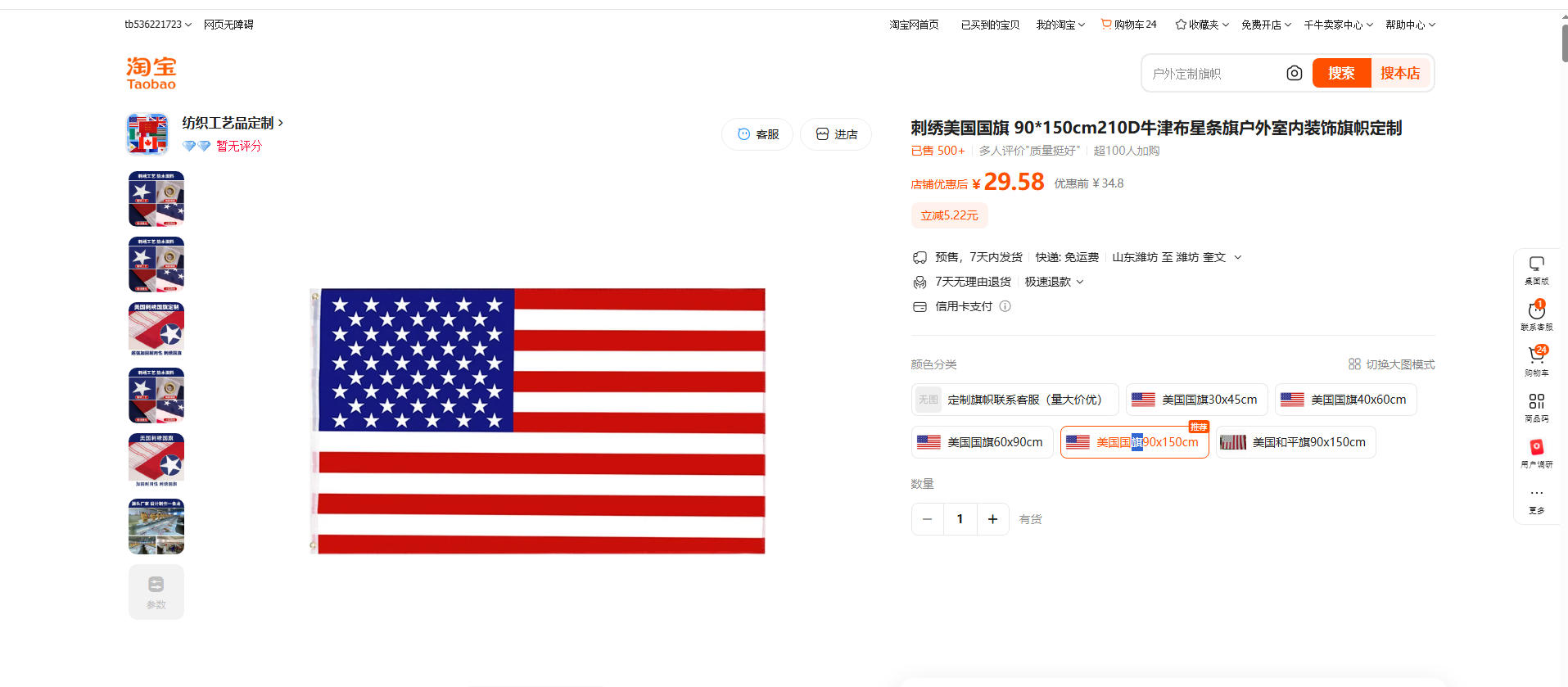
Introduction: Why Understanding Flag Materials and History Matters
Flags are more than just pieces of fabric—they are symbols of identity, pride, and communication. Whether you’re flying a national flag, a custom banner for your business, or a decorative pennant for an event, choosing the right material and understanding proper care can dramatically extend its life and preserve its vibrant colors. At flags-factory.com, we specialize in manufacturing premium flags in Weifang, Shandong, China, using time-honored techniques and modern innovations. This guide will walk you through the fascinating history of flags, compare the most common flag materials, and offer expert tips on care and usage.
A Brief History of Flags: From Ancient Symbols to Global Standards
Flags have been used for thousands of years. The earliest known flags were metal or wooden poles topped with animal figures, used by ancient Egyptians and Chinese armies for identification on the battlefield. By the 11th century, silk flags embroidered with dragons and phoenixes were common in China, representing imperial power. In medieval Europe, heraldic banners displayed family crests and coats of arms. The modern national flag emerged in the 17th century, with the Dutch tricolor influencing many designs worldwide. Today, flags serve not only as national emblems but as marketing tools, event decorations, and symbols of solidarity. Understanding this heritage helps us appreciate the craftsmanship behind every flag we produce at flags-factory.com.
Flag Materials: Which One Is Right for You?
Choosing the right material is crucial for durability, appearance, and cost. Here are the most common flag materials used at flags-factory.com:
210D Polyester – The Industry Standard
210D polyester is a heavy-duty, woven fabric known for its exceptional strength and colorfastness. It is the most popular choice for outdoor flags, including national flags, state flags, and custom banners. The “210D” refers to the denier count (grams per 9,000 meters of fiber), which indicates thickness and durability. This material resists fraying, fading, and tearing, even in harsh weather. It also has a slight sheen that enhances color vibrancy without being overly glossy. At flags-factory.com, we use 210D polyester for our best-selling custom flags because it holds up to wind, rain, and UV exposure for months at a time.
420D Polyester – Maximum Durability
For flags that face extreme conditions—such as coastal winds, high altitudes, or industrial environments—420D polyester is the superior choice. This fabric is thicker and more rigid, making it ideal for large flags (3’x5′ and above) or flags that fly 24/7. It offers excellent tear resistance and retains its shape longer. However, it is heavier and may not flutter as gracefully in light breezes. It is also more expensive, but for long-term use, the investment pays off.
Nylon – Lightweight and Bright
Nylon is a lightweight, high-tenacity fabric that flies elegantly even in the slightest breeze. It has a glossy finish that makes colors pop, especially in direct sunlight. Nylon flags are popular for decorative use, parades, and indoor displays. However, nylon is less UV-resistant than polyester and may fade faster if left in continuous sunlight. It is also more prone to fraying along the edges. For occasional use or indoor display, nylon offers an unbeatable aesthetic.
Manufacturing Techniques: Sewing, Embroidery, and Screen Printing
At flags-factory.com, we employ three primary methods to create flags, each suited to different needs:
- Sewn Flags: Made by stitching together panels of colored fabric. This traditional method produces flags with vibrant colors on both sides and is most durable for outdoor use. The seams are reinforced with double-stitching to prevent unraveling.
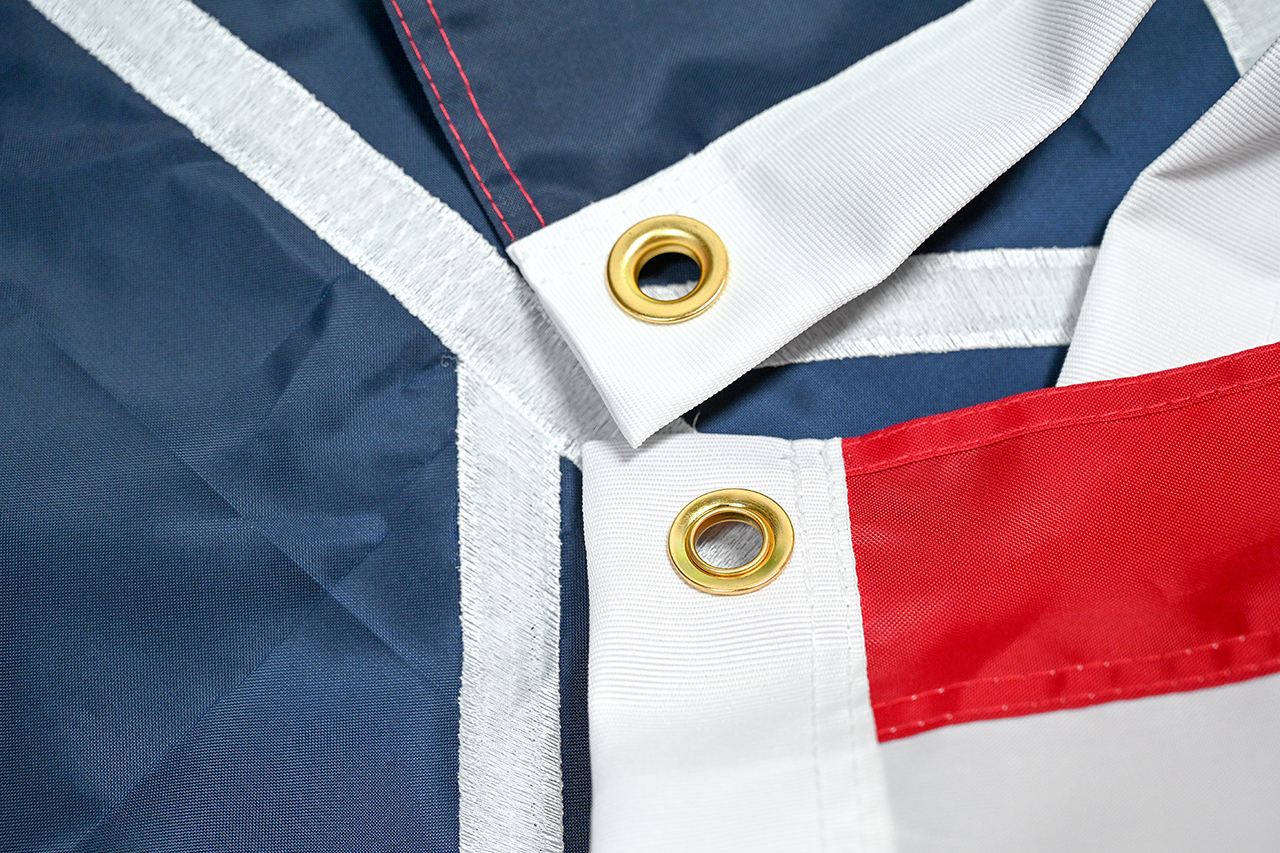
- Embroidered Flags: Designs are stitched directly onto the fabric using high-speed embroidery machines. This technique is ideal for detailed logos, text, or emblems. The raised texture creates a premium, tactile appearance.
- Screen Printed Flags: Ink is applied through a mesh screen onto the fabric. This is cost-effective for large quantities and allows for intricate, multi-color designs. At flags-factory.com, we use eco-friendly, UV-resistant inks to ensure longevity.
Proper Care and Maintenance for Long-Lasting Flags
Even the highest-quality flag will wear out if neglected. Follow these tips to maximize your flag’s lifespan:
- Take Down in Extreme Weather: Remove flags during heavy rain, snow, or winds above 30 mph. Flagpoles can bend or break, and fabric can tear.
- Clean Gently: Hand wash with mild soap and cold water. Avoid bleach or harsh detergents. Machine washing is not recommended as it can fray edges.
- Dry Thoroughly: Never store a wet flag—mold and mildew can develop. Hang to dry in the shade.
- Rotate Regularly: If your flag flies from a pole, rotate it every few weeks to distribute wear evenly.
- Repair Small Tears Immediately: Use a needle and thread to mend loose stitches before they become larger rips.
- Store Properly: Fold neatly and place in a dry, dark container. Avoid plastic bags that trap moisture.
Usage Tips for Different Scenarios
| Scenario | Recommended Material | Size | Notes |
|---|---|---|---|
| Outdoor residential flagpole | 210D Polyester | 3’x5′ or 4’x6′ | Best balance of durability and flyability |
| Commercial / government use | 420D Polyester | 5’x8′ or larger | Maximum wind resistance |
| Indoor display / parades | Nylon | 3’x5′ or 2’x3′ | Lightweight and vibrant |
| Custom logo banners | 210D Polyester (sewn or printed) | Custom | Great for branding |
Why Choose flags-factory.com?
Based in Weifang, Shandong—the hub of China’s flag manufacturing industry—we combine years of expertise with advanced equipment. Every flag undergoes rigorous quality checks for color accuracy, seam strength, and fabric consistency. Whether you need one custom flag or a bulk order of 1,000, we deliver consistent quality at competitive prices. Our online store, flags-factory.com, makes it easy to browse our catalog and place orders with confidence.
Conclusion: Fly Your Flag with Confidence
Understanding flag materials, history, and care empowers you to make informed choices that save money and enhance your display. From the ancient silk banners of China to the modern 210D polyester flags we craft today, the art of flag-making continues to evolve. Whether you’re honoring your country, promoting your business, or celebrating a special event, choose flags-factory.com for flags that last. Browse our collection today and experience the difference of premium craftsmanship.
Ready to elevate your flag display? Shop now at flags-factory.com and discover our full range of custom and national flags.
