

A Journey Through Time: The Enduring Legacy of Flags
Flags have served as powerful symbols of identity, unity, and pride for millennia. From the earliest battlefield standards made of carved wood and animal skins in ancient Egypt and China, to the vibrant nylon and polyester banners that fly over government buildings and homes today, the flag has evolved significantly. At flags-factory.com, we honor this tradition by combining centuries of symbolic importance with modern manufacturing precision. Today, flags are more than just fabric; they are statements of heritage, corporate branding, and personal expression.
Understanding Flag Materials: 210D vs. 420D Polyester and Nylon
When you shop at flags-factory.com, you’ll notice that we emphasize specific materials like 210D polyester, 420D polyester, and nylon. Each material serves a different purpose and environment. Choosing the right one ensures your flag looks great and lasts as long as possible.
210D Polyester – The Lightweight Standard
210D polyester is a lightweight, tightly woven fabric that is ideal for indoor displays, parades, and low-wind outdoor use. It offers excellent color vibrancy and a crisp, clean appearance. This material is a favorite for national flags and decorative banners because it flies beautifully in even a gentle breeze. It is also cost-effective, making it a popular choice for bulk orders.
420D Polyester – Heavy-Duty Outdoor Performance
For flags that must withstand harsh weather—strong winds, rain, and intense sun—420D polyester is the superior choice. This heavier fabric is more durable and resistant to fraying. It is the material of choice for commercial flags, large event banners, and flags flown on tall poles. The added weight ensures the flag hangs well and retains its shape over time.
Nylon – The Premium Choice for Brilliance and Speed
Nylon flags are prized for their incredible brightness and lightweight nature. They dry quickly after rain and flutter dramatically in the wind. However, nylon is less UV-resistant than polyester, so it may fade faster in direct sunlight. Nylon is excellent for indoor use, decorative purposes, or flags that are rotated frequently.
| Material | Best Use | Durability | Color Vibrancy | Wind Performance |
|---|---|---|---|---|
| 210D Polyester | Indoor, parades, low-wind outdoor | Moderate | High | Good in light wind |
| 420D Polyester | Heavy outdoor, commercial, tall poles | Very High | High | Excellent |
| Nylon | Indoor, decorative, quick-dry needs | Moderate | Very High | Excellent in light wind |
Manufacturing Techniques: From Sewing to Sublimation
At flags-factory.com, we employ a range of techniques to bring your designs to life. Understanding these methods helps you make an informed decision.
- Screen Printing: Ideal for large runs of simple designs. Durable and cost-effective.
- Dye Sublimation: Perfect for full-color, photographic, or complex logos. The ink bonds with the fabric, creating a vibrant, fade-resistant finish.
- Embroidery: Adds a premium, textured look to letters and emblems. Commonly used for military flags and corporate seals.
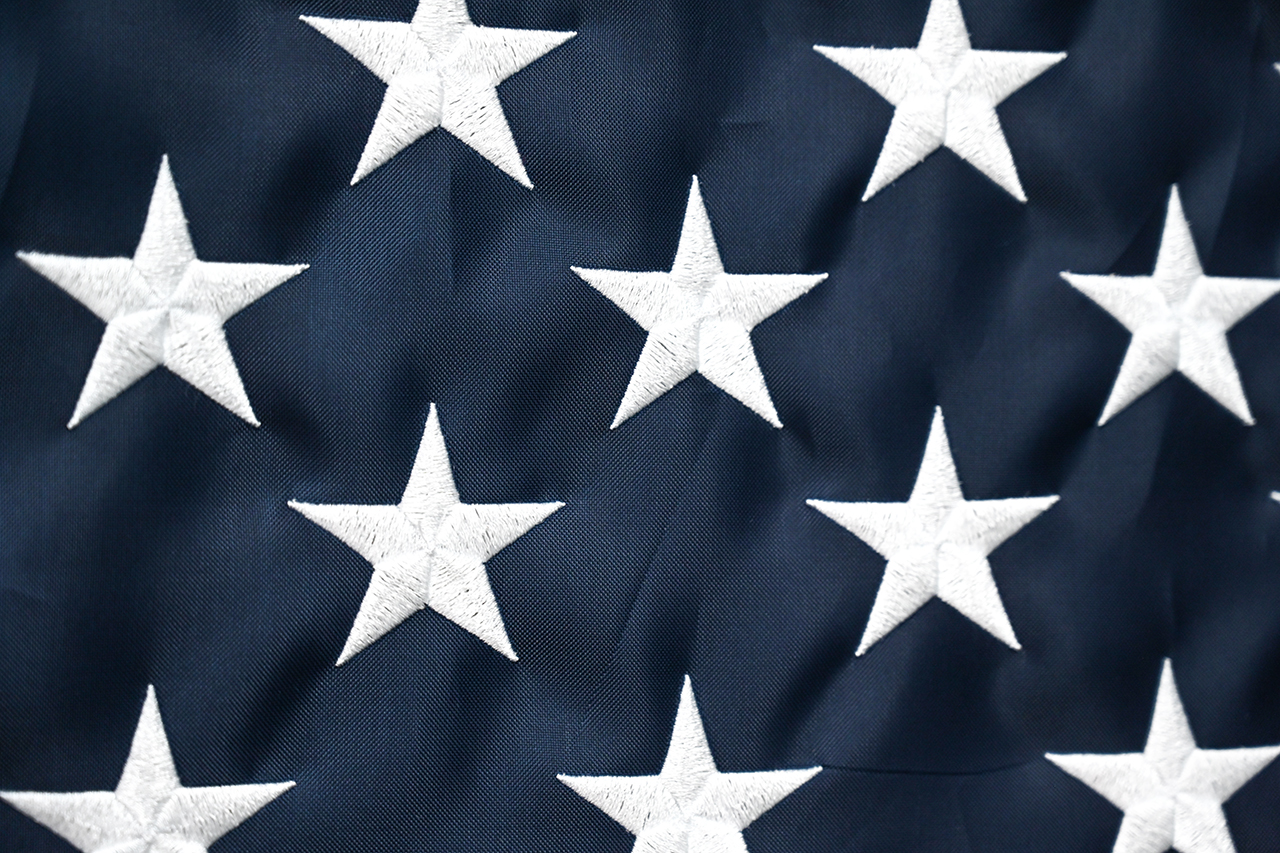
- Sewn Construction: For national flags, individual pieces of fabric are cut and sewn together. This is the most authentic and durable method, often used for the United States flag.
Proper Flag Care: Extending the Life of Your Banner
Even the highest quality flag from flags-factory.com will wear out eventually, but proper care can significantly extend its lifespan. Here are our top five care tips:
- Take it down during severe weather. High winds and heavy rain are the primary causes of fraying and tearing. Lowering your flag during storms is the single best way to protect it.
- Wash gently. Hand wash your flag in cold water with a mild detergent. Avoid machine washing, which can weaken the stitching and fabric.
- Air dry only. Never put your flag in a dryer. Hang it in the shade to prevent sun damage and shrinkage.
- Rotate your flags. If you fly a flag daily, consider having two or three to rotate. This allows each flag to rest and reduces wear.
- Repair small issues immediately. A loose stitch or small fray can be repaired with a needle and thread. Ignoring it will lead to a larger tear.
Usage Tips: Making Your Flag Stand Out
Whether you are displaying a national flag, a company banner, or a custom design, proper presentation matters. Always use the correct size flag for your pole. A general rule is that the flag should be about one-quarter to one-third the height of the pole. For example, a 3’x5′ flag is ideal for a 15-20 foot pole. For indoor displays, consider using a fringe and a tassel for a more formal appearance. At flags-factory.com, we offer a full range of accessories including poles, brackets, and finials to complete your setup.
Why Choose flags-factory.com?
Based in Weifang, Shandong—the world capital of kite and flag manufacturing—flags-factory.com brings years of expertise directly to your doorstep. We control every step of production, from sourcing raw 420D polyester to final stitching. This allows us to offer exceptional quality at factory-direct prices. Whether you need a single custom banner for a grand opening or a bulk order of national flags for a government institution, our team is ready to deliver.
Explore our collection today and discover why thousands of customers trust flags-factory.com for their flag needs. From the history of your nation to the future of your brand, let us help you wave it proudly.
