

Flags do a lot of quiet work in a residential community. A well-maintained flag at the entrance monument signals that someone is paying attention. A clubhouse flag gives residents a shared identity. A holiday flag rotation marks the seasons and makes a neighborhood feel cared for. But flags also create friction — over placement, over height, over who is allowed to fly what. This guide walks HOA boards, community managers, and residents through the etiquette questions and the selection decisions that keep a neighborhood looking consistent and avoiding unnecessary disputes.
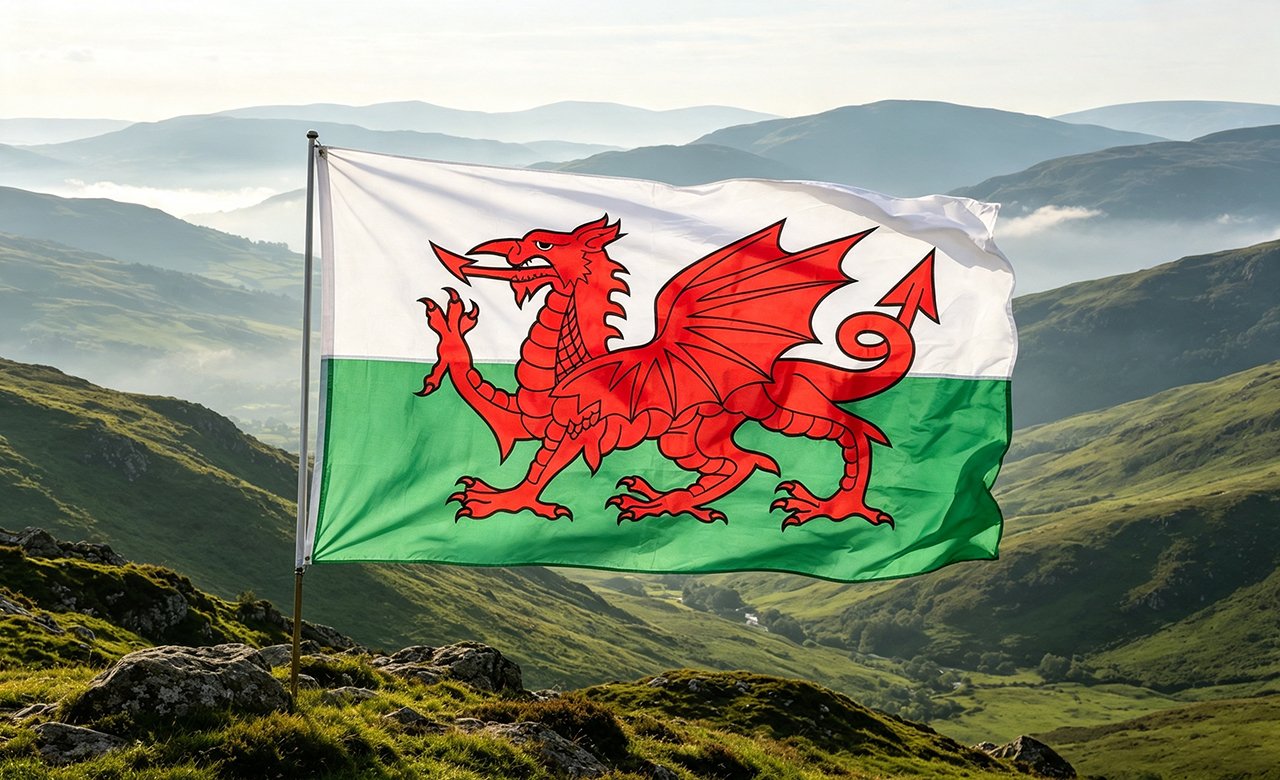
Which Flags a Community Typically Displays
Most residential communities end up managing three or four categories of flags, each with different rules and different material needs.
The U.S. Flag and State or Local Flags
Many communities display the national flag at the main entrance, clubhouse, or monument sign, often paired with a state flag. These are the most etiquette-sensitive flags on the property, and they are also the ones most exposed to weather. Boards should treat them as a standing operational responsibility rather than a decoration.
Community and Branded Flags
A community flag carrying the neighborhood name, logo, or crest is one of the most effective identity tools an HOA has. It works at the entrance, on the clubhouse, at the pool, and as a giveaway for new residents. Because it is often ordered in small batches and reordered years later, color consistency between runs matters more than most boards expect.
Seasonal and Holiday Flags
Holiday and seasonal flags — winter, spring, harvest, patriotic observances — are usually displayed on shorter poles at the entrance or clubhouse. They add variety without touching the etiquette rules that apply to the national flag, since decorative garden-style flags are handled differently.
Flag Etiquette Essentials for HOA Boards
Position and Precedence
When the U.S. flag flies alongside other flags on separate poles, it should occupy the position of honor — its own right as viewed by an observer facing the display. On a single pole, the national flag flies at the top. When several flags share pole-mounted brackets on a building, the same logic applies to the arrangement. Community and organizational flags are never flown above the national flag.
Lighting and Hours of Display
The traditional practice is to raise the flag in the morning and lower it at sunset, unless it is illuminated overnight. For HOAs, overnight display is often the practical choice at an entrance that no one visits at dawn — in which case proper lighting becomes a maintenance item, not an afterthought. Burnt-out fixtures are one of the most common and most visible lapses at community entrances.
Weather and Respectful Retirement
Flags should not be flown in severe weather if they can be brought in. When a flag becomes faded, frayed at the fly end, or torn, it should be retired rather than left up. A community that retires flags respectfully — through a local scout troop, veterans’ organization, or a proper ceremony — handles this in a way residents tend to appreciate. Many boards build a simple annual replacement into the budget to avoid a frayed flag lingering for months.
What HOA Governing Documents Should Address
Flag disputes are rarely about patriotism; they are usually about ambiguity. Clear language in the covenants, conditions, and restrictions prevents most of them. Points worth covering:
- Which flagpole locations are approved and who maintains them
- Maximum flag size and pole height for individual lots
- Whether seasonal or decorative flags are permitted and in what quantities
- Whether wall-mounted brackets are allowed on street-facing facades
- Who is responsible for lighting and for replacing worn flags at common areas
- A stated process for requesting an exception or accommodation
Boards should also confirm their rules are consistent with applicable state and federal protections for flag display on residential property, since several jurisdictions limit how far private covenants can restrict it. A brief review with the association’s legal counsel is worth the time before adopting or enforcing any new flag rule.
Choosing Flags That Hold Up in Shared Spaces
Fabric
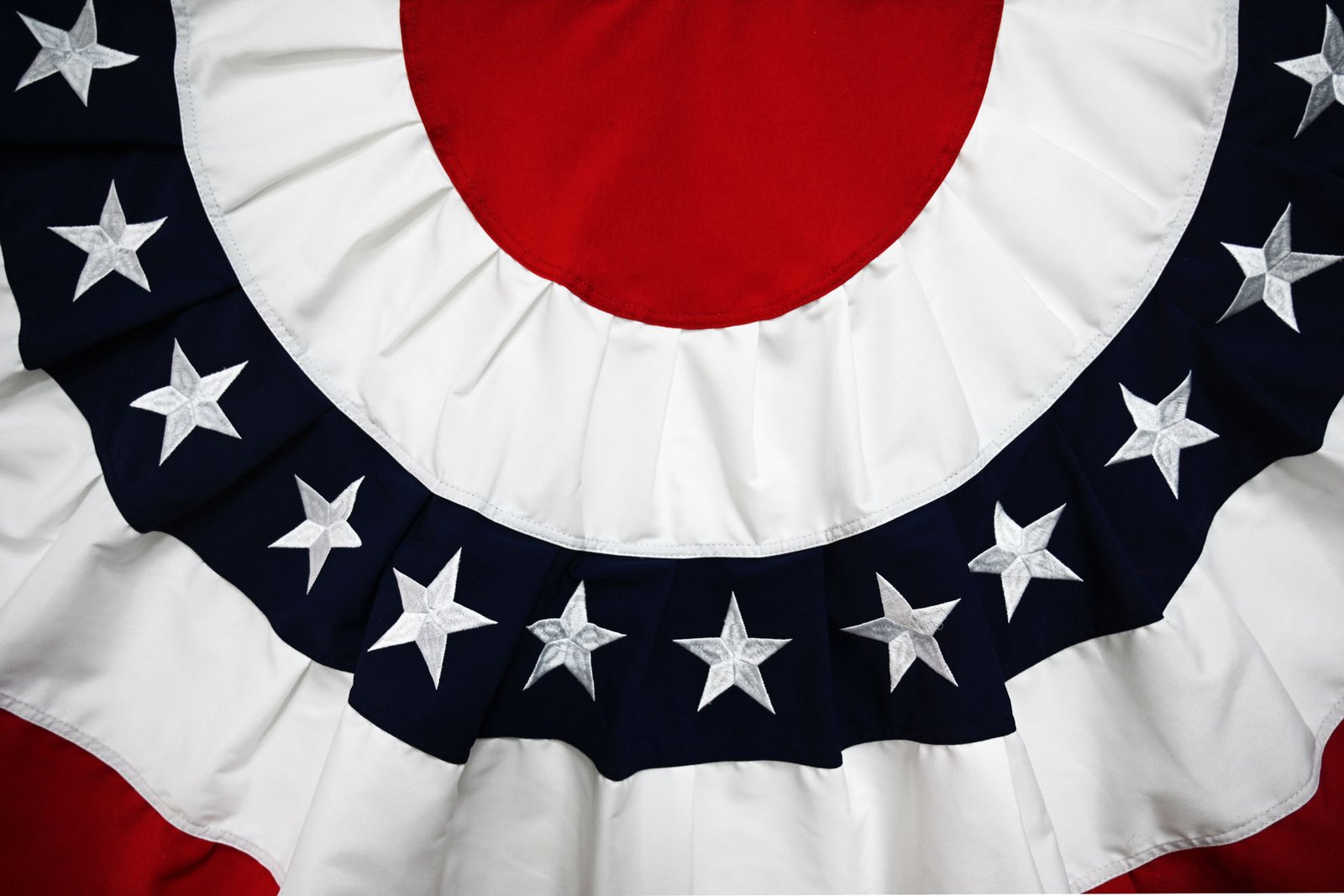
For community entrances, a lightweight nylon or polyester blend moves well in light breezes and dries quickly — useful where flags stay up for long stretches. Heavier spun or knitted polyester offers more body and is a common choice for larger flags and high-wind locations. For clubhouse interiors and ceremonial use, a heavier decorative fabric gives a more substantial appearance. Whatever the choice, look for fade-resistant dyeing and color-matched panels if the flag has multiple colors.
Size Relative to Pole Height
An oversized flag on a short pole looks cramped and wears out faster; an undersized flag on a tall pole looks lost. A practical starting point:
| Pole Height | Typical Flag Size | Common Use |
|---|---|---|
| 6–8 ft | 2 x 3 ft | Porch, entry, garden pole |
| 15 ft | 3 x 5 ft | Clubhouse, pool area |
| 20 ft | 4 x 6 ft | Community entrance |
| 25 ft | 5 x 8 ft | Main entrance, monument |
| 30 ft + | 6 x 10 ft | Large entrance displays |
Finishing and Hardware
In shared spaces, flags are handled by many different people, so construction details matter. A reinforced fly end and double-stitched hems extend service life at the point where flags fail first. Brass grommets hold up better than thin metal ones, and a pole sleeve or D-ring and snap configuration should match the hardware already installed on the community’s poles — a mismatched attachment is a frequent source of flapping damage. If entrance flags are swapped seasonally, consider a quick-release snap system so the change takes minutes rather than a ladder expedition.
A Simple Maintenance Routine
- Monthly: a visual check for fraying, fading, and hardware wear at each pole
- Quarterly: confirm entrance and clubhouse lighting timers and fixtures are working
- Seasonally: rotate or swap decorative flags; wash fabric flags per the manufacturer’s guidance and air-dry
- Annually: budget for replacement of the most exposed flags and retire worn ones properly
Ordering for the Whole Community
HOAs have an advantage individual homeowners don’t: they can order in coordinated batches. Buying entrance, clubhouse, and pool flags together keeps sizes, finishes, and colors consistent across the property, and it simplifies the reorder later. When ordering, it helps to specify pole height, attachment type, and the exact colors or reference swatches for branded flags, especially if a previous supplier produced the original set. Keeping a copy of those specifications with the association’s records saves considerable back-and-forth at the next replacement cycle.
If your community is refreshing its entrance flags, adding a branded neighborhood flag, or building a seasonal rotation for the clubhouse, browsing the custom and stock options at flags-factory.com is an easy next step — you can compare sizes, fabrics, and finishing options in one place before bringing a recommendation to the board.
