

A double-sided flag reads correctly from both the front and the back, with no mirrored text and no ghosting through the fabric. That sounds like a small detail until you compare quotes: a two-sided flag can cost noticeably more than the same design printed on a single side. The reason isn’t markup for its own sake — it’s construction. Understanding how these flags are built explains almost the entire price difference.
What “Double-Sided” Actually Means
In the flag trade, “double-sided” describes the finished appearance, not the printing method. There are three common configurations, and they are not interchangeable:
- Single-sided: Printed on one face only. The reverse shows a faded, mirrored version of the design through the fabric.
- Single-reverse: Printed on both faces of one piece of fabric so the back shows a mirror image. Text on the back reads backwards.
- True double-sided: Two separately printed panels joined with a middle layer, so both faces read correctly and neither shows the other’s artwork.
Only the third option is what most customers mean when they ask for a double-sided flag — a logo, seal, or wordmark that looks right from any angle.
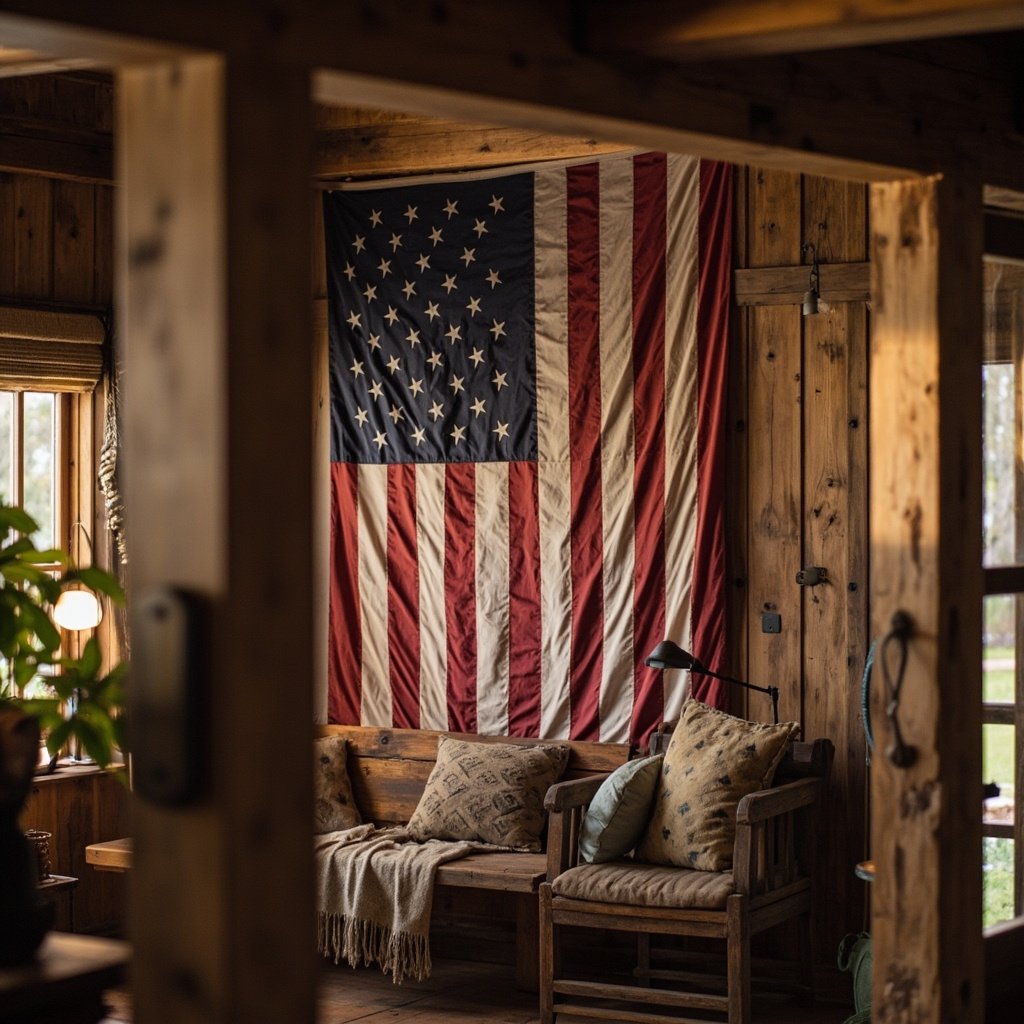
How Double-Sided Flags Are Made
Step 1: Two Separate Print Runs
The design is printed twice — once for the front panel, once for the back. Because the two panels are independent, the front and back don’t have to match. Many customers use the front for a primary logo and the back for a secondary message, sponsor list, or contact details. Each panel is printed, dried, and handled as its own piece of fabric before assembly begins.
Step 2: The Blockout Liner
Without a middle layer, light passing through the flag would make the reverse image visible on the front, and vice versa. The liner — often called a blockout or blackout layer — sits between the two printed panels and stops that show-through. It adds weight, opacity, and a bit of body to the flag, which is why double-sided flags feel more substantial in the hand.
The liner is usually a plain fabric in a neutral tone. It is never visible in the finished product, but it is a full extra layer of material across the entire flag area, and it is a genuine line item in the cost.
Step 3: Registration and Sewing
This is the careful part. The two printed panels and the liner must be aligned edge to edge before they are joined. If the front and back artwork sit even slightly out of register, the flag looks crooked when it hangs on a pole. Every seam is then stitched around the perimeter so all three layers are locked together, with reinforced stitching at the fly end and along stress points where the flag meets the pole.
Step 4: Finishing
After the body is assembled, the flag goes through the same finishing steps as any other custom flag: heading tape or a pole sleeve, grommets or a rope thimble, optional fringe, and final inspection. Because a double-sided flag is heavier, the hardware is often specified a step stronger — a wider heading, more durable grommets, and heavier reinforcement at the fly.
Why Double-Sided Flags Cost More
The price gap comes down to a handful of concrete factors:
- Double the printing. Two full print runs instead of one, with twice the ink, fabric, and machine time.
- Extra material for the liner. A third full layer of fabric across the entire flag.
- Significantly more sewing labor. Instead of one hem pass, the maker is aligning and stitching multiple layers around the full perimeter.
- Higher waste rate. Registration errors mean more flags are rejected or re-cut during production, and that cost is spread across the run.
- Heavier finished weight. Stronger heading, grommets, and reinforcement add cost — and shipping weight goes up as well.
- Longer production time. More steps mean longer lead times, which matters for deadline-driven orders.
None of these steps can be skipped without the flag losing the quality that made it double-sided in the first place. A two-sided flag with no liner, or with overlapping artwork, is really just an expensive single-sided flag.
| Configuration | Front | Back | Relative Cost |
|---|---|---|---|
| Single-sided | Correct | Mirrored, faded | Lowest |
| Single-reverse | Correct | Mirrored | Moderate |
| True double-sided | Correct | Correct | Highest |
When Double-Sided Is Worth the Extra Cost
A double-sided build makes sense when the flag will be viewed from two directions or when readability matters at a distance:
- Flags on freestanding poles in plazas, campuses, or along walkways where people approach from both sides
- Indoor displays in lobbies, showrooms, and trade show booths where the back of the flag is visible to visitors
- Parade and ceremony flags that rotate as they move
- Institutional, government, and sponsor flags where the reverse of a logo would look careless
If the flag will only ever be seen from one side — mounted flat against a building wall, hung above a storefront window, or used as a fence banner — a single-sided flag with a liner for opacity may be a more cost-effective choice. It’s worth asking which viewing angles actually matter before you commit to the two-sided build.
Ordering Double-Sided Flags
Because the front and back are printed separately, double-sided flags open up design options that single-sided printing can’t match: a different message on each face, a primary logo on the front with a call to action on the back, or a mirrored layout that stays readable from either direction. When you send artwork, let us know which elements should appear on each side and where the pole sleeve or heading should sit, and the layout can be planned so both faces hang straight.
Browse the custom flag options at flags-factory.com to see fabric choices, finishing options, and sizing — and send your artwork whenever you’re ready to talk through the double-sided build.
