

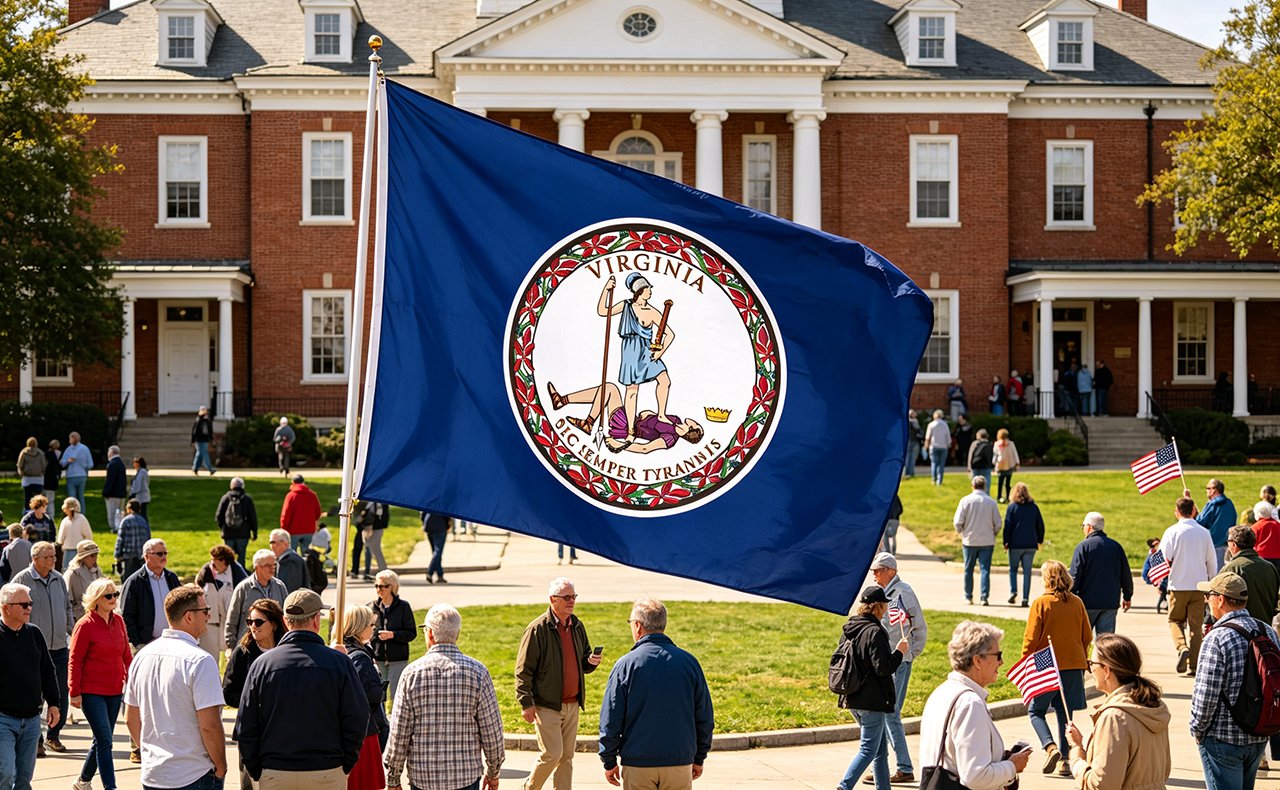
Why Flags Matter
Flags are far more than colorful pieces of fabric. They are symbols of identity, pride, and purpose—carrying the weight of nations, the spirit of organizations, and the personality of brands. Whether fluttering atop a government building, flying from a backyard pole, or hanging proudly at a sporting event, flags communicate instantly and powerfully. But have you ever stopped to consider what makes a quality flag? Or how to keep one looking vibrant for years? This guide covers everything you need to know about flag materials, history, manufacturing, and proper care.
A Brief History of Flags
The history of flags stretches back over 4,000 years. Ancient civilizations used early forms of vexilloids—pole-mounted symbols crafted from wood, metal, or carved stone—long before fabric flags existed. The first true fabric flags likely originated in China around 200 BCE, where silk banners marked military units and imperial authority. From there, the practice spread across Asia, the Middle East, and into Europe.
During the Middle Ages, heraldic standards and battle flags became essential for identifying knights and armies on the battlefield. By the 17th century, maritime nations adopted flags to distinguish ships at sea, and the age of exploration carried flag culture worldwide. The 20th century brought a new era: flags became marketing tools for corporations, political movements, and sports teams. Today, custom flags are everywhere—from storefronts to stadiums, parades to podcasts. Understanding this heritage helps us appreciate the craftsmanship behind every quality flag.
Flag Materials: Choosing the Right Fabric
The material of a flag determines its appearance, durability, and ideal use case. At flags-factory.com, we manufacture flags using three primary fabrics, each suited to different needs.
210D Polyester
This lightweight yet sturdy fabric is the workhorse of the flag industry. With a denier count of 210, it strikes an excellent balance between durability and affordability. 210D polyester flags are ideal for indoor display, retail environments, and occasional outdoor use. The woven texture provides a crisp finish that reproduces colors accurately, making it a popular choice for custom designs and small-batch orders.
420D Polyester
When you need a flag that can withstand harsh weather, 420D polyester is the answer. Twice as heavy as 210D, this premium fabric is engineered for long-term outdoor performance. It resists tearing, fraying, and UV fading far better than lighter options. Municipal governments, schools, and businesses that fly flags 24/7 or in coastal and high-wind regions consistently choose 420D. The fabric has a slightly more textured surface, giving it a substantial, premium feel that commands attention.
Nylon
Nylon flags are prized for their vibrant colors and lightweight, fluid movement. They fly beautifully in even the gentlest breeze, making them the classic choice for residential flagpoles. Nylon also dries quickly and resists mildew. However, it is less UV-resistant than polyester over extended periods, so it is best suited for seasonal display or indoor use. Many collectors and homeowners prefer nylon for its rich, glossy appearance and graceful motion.
| Material | Best For | Durability | Appearance |
|---|---|---|---|
| 210D Polyester | Indoor display, retail, light outdoor | Moderate | Crisp, matte finish |
| 420D Polyester | Outdoor, high-wind, permanent display | Excellent | Substantial, textured |
| Nylon | Residential poles, indoor, event use | Good | Vibrant, glossy |
Manufacturing Techniques That Matter
Quality flags are as much about craftsmanship as material. At flags-factory.com, we employ three primary production methods, each chosen based on the design and intended use.
- Dye-Sublimation Screen Printing: The most common method for custom flags, screen printing applies ink directly onto the fabric, resulting in bold, saturated colors. It is cost-effective for large quantities and handles detailed artwork well.
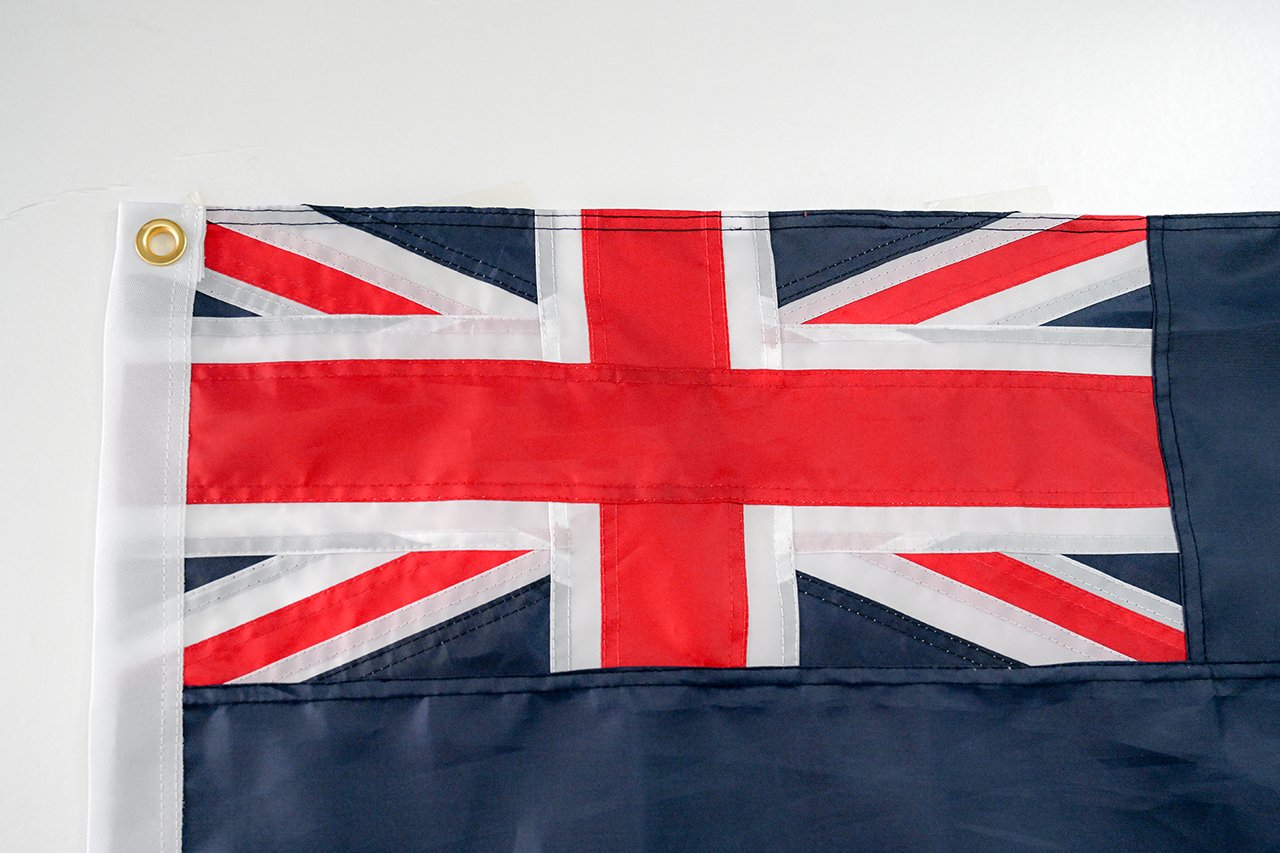
- Sewn Construction: For national flags and historical reproductions, sewn flags use separate panels of colored fabric stitched together. This produces the most authentic, durable result—each color is a real piece of fabric, not ink. If you look closely at an American flag, for example, sewn stars and stripes are the gold standard.
- Embroidery: For flags that demand a premium, dimensional look—such as military colors or corporate banners—embroidery adds raised stitching that catches light and conveys prestige. It is typically limited to smaller surface areas to maintain flexibility.
Proper Flag Care: Protect Your Investment
Even the highest-quality flag will not last forever, but proper care can dramatically extend its life. Here are the essential practices every flag owner should follow.
Cleaning
Dirt and pollutants wear down flag fibers over time. Hand-wash your flag in cold water with a mild detergent—never use bleach or harsh chemicals. Air-dry it completely before folding and storing. For large flags, a gentle cycle in a washing machine may work, but always check the manufacturer’s care label.
Storage
Fold your clean, dry flag neatly and store it in a cool, dark, and dry place. UV light and humidity are the enemies of flag longevity. If you rotate flags seasonally, keep them in breathable fabric bags rather than airtight plastic, which can trap moisture and encourage mildew.
Weather Considerations
Inspect your flag regularly for fraying or torn seams. High winds are the primary cause of flag damage—if the weather forecast calls for severe storms, bring your flag down. Many owners also use a flagpole with a wind-resistant design or add a smaller flag during gusty seasons. Replacing a damaged flag promptly prevents further deterioration and keeps your display looking respectable.
Usage Tips for Maximum Impact
Beyond materials and maintenance, a few practical tips will ensure your flag looks its best and lasts as long as possible.
- Match the flag size to your pole: A good rule of thumb is that the flag’s length should be approximately one-quarter to one-third the height of the pole. An oversized flag catches too much wind and strains both the fabric and the hardware.
- Respect proper display etiquette: National flags have specific protocols—hoisted briskly, lowered ceremoniously, and never left out overnight unless properly illuminated. Corporate and decorative flags have more flexibility, but professional presentation always matters.
- Order extras: For businesses and organizations, keeping spare flags on hand ensures you can replace a weathered flag immediately without waiting for a new production run.
Flags That Fly With Pride
Whether you need a durable 420D polyester flag for year-round outdoor display, a vibrant nylon banner for your home, or a fully custom design bearing your company’s logo, choosing the right material and care routine makes all the difference. At flags-factory.com, we combine premium materials, expert craftsmanship, and 30 years of manufacturing experience to deliver flags that look stunning and stand the test of time. Browse our collection today and find the perfect flag for every purpose.
