

Flag Materials: A Complete Guide to Nylon, Polyester, and Everything In Between
Whether you’re purchasing a national flag for a government building, a company banner for a trade show, or a decorative flag for your backyard, the material you choose plays a critical role in how your flag looks, performs, and lasts. At flags-factory.com, we’ve spent years manufacturing flags for clients around the world, and we’ve seen firsthand how fabric selection can make or break a flag’s lifespan. In this guide, we’ll break down the most common flag materials, their best use cases, and how to care for your investment.
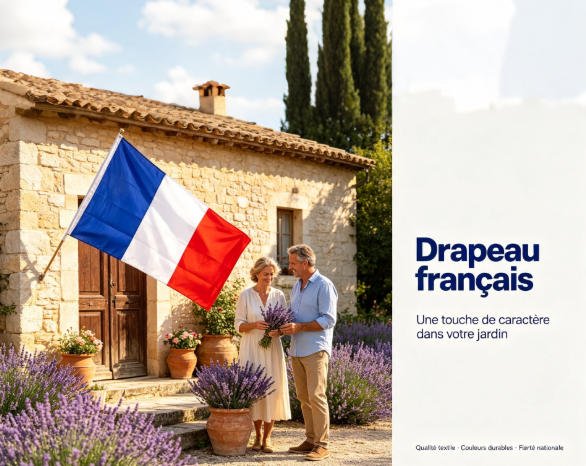
Nylon Flags: The Premium Choice for Vibrant Colors and Light Wind
Nylon is arguably the most popular flag material on the market today, and for good reason. The standard used by most professional flag manufacturers is 200-denier or 210-denier nylon, a tightly woven synthetic fabric that offers a remarkable combination of durability and aesthetic appeal.
Key benefits of nylon flags include:
- Superior color vibrancy: Nylon accepts dyes exceptionally well, resulting in bold, rich colors that won’t fade quickly, even in direct sunlight.
- Lightweight and fast-drying: Nylon flies even in gentle breezes, which makes it ideal for residential flagpoles and areas with low wind conditions.
- Quick-drying properties: After a rainstorm, nylon flags dry quickly, reducing the risk of mildew and mold buildup.
- Durability: With proper care, a quality nylon flag can withstand 6 to 12 months of outdoor exposure before showing significant wear.
One caveat: nylon’s lightweight nature means it’s not the best choice for extreme weather conditions. In areas prone to high winds or coastal storms, you may need a heavier material.
Polyester Flags: Maximum Durability for Harsh Environments
For clients who need a flag that can stand up to the elements, polyester is the go-to fabric. Unlike thinner synthetic alternatives, polyester flags are typically woven in 420-denier weight — a thick, rigid, and extremely resilient material originally developed for military use.
210D vs. 420D Polyester: What’s the Difference?
Both weights are used in flag manufacturing, but they serve different purposes. A 210D polyester flag is the industry standard for outdoor flags. It strikes a balance between strength and flexibility, offering a heavier feel than nylon while still catching the wind reasonably well. If you’re flying a flag 24/7 in moderate conditions, this is the workhorse you want.
420D polyester, on the other hand, is roughly twice as heavy. It’s the material of choice for:
- Coastal environments with constant salt spray and high winds
- Large flags (8 feet and larger) on tall flagpoles
- Industrial or commercial applications where longevity is the top priority
- Custom flags that will be flown indoors or mounted on walls
Because 420D polyester is so dense, it flies less gracefully in light wind. You’ll need a moderate breeze to keep it fully extended. However, its lifespan can extend to 18 months or more, making it a cost-effective choice over time.
A Brief History of Flags and Their Materials
Flags have been used for thousands of years, evolving from simple wooden poles topped with carved symbols to the sophisticated fabric banners we know today. Ancient Chinese armies used silk flags for signaling — a tradition that resonates deeply with our Weifang roots. Silk was prized because it was lightweight yet strong and could be dyed in brilliant colors.
The Industrial Revolution brought cotton and linen flags, which became the standard for seafaring nations. These natural fibers were durable but heavy and prone to rotting in damp conditions. It wasn’t until the mid-20th century that synthetic fabrics like nylon and polyester revolutionized the industry, offering weather resistance and color retention that natural fibers simply couldn’t match. Today, the vast majority of flags produced worldwide — including those at our flags-factory.com facility — are constructed from these high-performance synthetics.
How Manufacturing Techniques Affect Flag Quality
Beyond material choice, the way a flag is constructed matters just as much. At flags-factory.com, we can produce custom flags using several techniques:
- Full-Color Screen Printing: Ideal for simple designs with a limited number of colors. Dyes are pressed directly into the fabric, keeping colors visible on both sides while maintaining a lightweight feel.
- Additive Dye-Sublimation Printing: A premium method that infuses dyes into the fabric at high temperatures. This produces vibrant, fade-resistant colors with no stiff “printed-on” feel.
- Dimensional Embroidery: Used for seals, emblems, and intricate details. Embroidery adds texture and a prestigious look, though it does add weight and wind resistance to the flag.
- Hand-Sewn Construction: The traditional method for national flags. Panels are carefully cut and stitched together to maintain exact proportions, finished with a reinforced hem and brass grommets.
Proper Flag Care: Extending the Life of Your Flag
No matter how high-quality your flag is, proper care dramatically extends its lifespan. Here are our top recommendations:
Daily and Seasonal Maintenance
- Take flags down in severe weather. Even 420D polyester will suffer in hurricane-force winds. Most flag experts recommend lowering your flag during storms, hail, and heavy snow.
- Wash periodically. Flags accumulate dust, pollutants, and bird droppings. Machine wash on a gentle cycle with mild detergent (no bleach) or hand wash in cold water, then hang dry completely.
- Rotate your flags. If you replace flags seasonally, alternating between two flags can significantly extend the life of both.
- Watch for fraying and wear. A frayed edge can unravel quickly. Repair small tears promptly or replace the flag before it becomes a safety hazard.
The Golden Rule of Flagpole Sizing
Many premature flag failures aren’t caused by poor materials but by incorrect sizing. A flag that’s too large for its flagpole will snap and stress in the wind. As a general rule, the flag’s length (in feet) should be approximately one-quarter to one-third the height of the pole. For example, a 20-foot flagpole should fly a 3×5-foot or 4×6-foot flag — not a 5×8-foot one.
Which Flag Material Is Right for You?
Still unsure? Here’s a quick rule of thumb:
- Choose nylon for ornamental flags, residential use, or events where color brilliance matters most.
- Choose 210D polyester for government flags, business flags, and anything flown outdoors year-round.
- Choose 420D polyester for extreme weather locations, very large flags, or durable indoor displays.
Shop Premium Custom Flags at Flags-Factory.com
Finding the right material is the first step; working with a manufacturer who understands quality is the second. At flags-factory.com, we proudly offer a full range of nylon and polyester flags, from national flags to fully custom banners, each crafted with precision in our Weifang facility. Browse our collection today to find the perfect flag that will wave proudly for years to come.
