

The Complete Guide to Flag Materials, History, and Proper Care
Flags have flown for millennia as symbols of identity, pride, and communication. From ancient battlefield standards to modern corporate banners, the art of flag-making has evolved dramatically. Whether you’re a business owner seeking durable outdoor flags or a collector preserving historical pieces, understanding flag materials, their history, and proper care is essential. At flags-factory.com, we blend traditional craftsmanship with modern technology to create flags that endure. This guide covers everything you need to know.
A Brief History of Flags
The earliest flags were simple pieces of cloth or metal attached to poles, used by ancient civilizations for military signals and tribal identification. The Chinese dynasties used silk banners as early as 1000 BC, while Roman legions carried the vexillum—a cloth flag hanging from a crossbar. During the Middle Ages, European heraldry gave rise to intricate coat-of-arms banners, each color and symbol carrying specific meaning.
The 18th and 19th centuries saw the rise of national flags as we know them today, with standardized designs and colors. The industrial revolution introduced machine-woven fabrics, and by the 20th century, synthetic materials like nylon and polyester revolutionized flag production. Today, flags are made for nations, corporations, sports teams, and personal expression, with Weifang, Shandong—home to flags-factory.com—standing as a global hub for flag manufacturing.
Understanding Flag Materials: What Makes a Quality Flag?
The material of a flag determines its durability, appearance, and performance in different conditions. At flags-factory.com, we offer three primary materials, each suited for specific uses.
1. 210D Nylon: The All-Rounder for Outdoor Flags
210 denier (210D) nylon is the most popular choice for outdoor flags. It offers an excellent balance of strength, weight, and color vibrancy. Nylon is lightweight, allowing flags to fly in even light breezes, and it dries quickly after rain. The material accepts dye well, producing bright, saturated colors that resist fading when treated with UV inhibitors. This is the standard material for national flags and custom outdoor banners.
2. 420D Polyester: Maximum Durability for Harsh Conditions
For extreme weather or high-wind areas, 420 denier (420D) polyester is the superior choice. This heavyweight fabric is thicker and more resistant to tearing, fraying, and UV damage. Polyester flags are heavier, so they require stronger winds to fly, but they last significantly longer—often 2-3 times longer than nylon in the same conditions. They are ideal for large flagpoles, coastal regions, or high-traffic commercial displays.
3. Cotton and Silk: Traditional and Indoor Options
Cotton is prized for its classic look and feel, often used for ceremonial flags, indoor displays, and historical reproductions. However, cotton is heavier, absorbs moisture, and fades quickly in sunlight, making it unsuitable for prolonged outdoor use. Silk, while luxurious, is reserved for special occasions and indoor decor due to its delicacy and cost.
| Material | Best For | Durability | Wind Performance | Color Vibrancy |
|---|---|---|---|---|
| 210D Nylon | General outdoor, light-moderate wind | Good (1-2 years typical) | Excellent (flies in 4-6 mph wind) | High |
| 420D Polyester | High wind, coastal, commercial | Excellent (2-4 years typical) | Moderate (needs 8+ mph wind) | Very High |
| Cotton | Indoor, ceremonial, historical | Low for outdoor | Poor (heavy fabric) | Moderate |
Manufacturing Techniques: Sewing vs. Printing
Quality flags are made using two primary methods, and many premium flags combine both.
Sewn (Appliqué) Flags
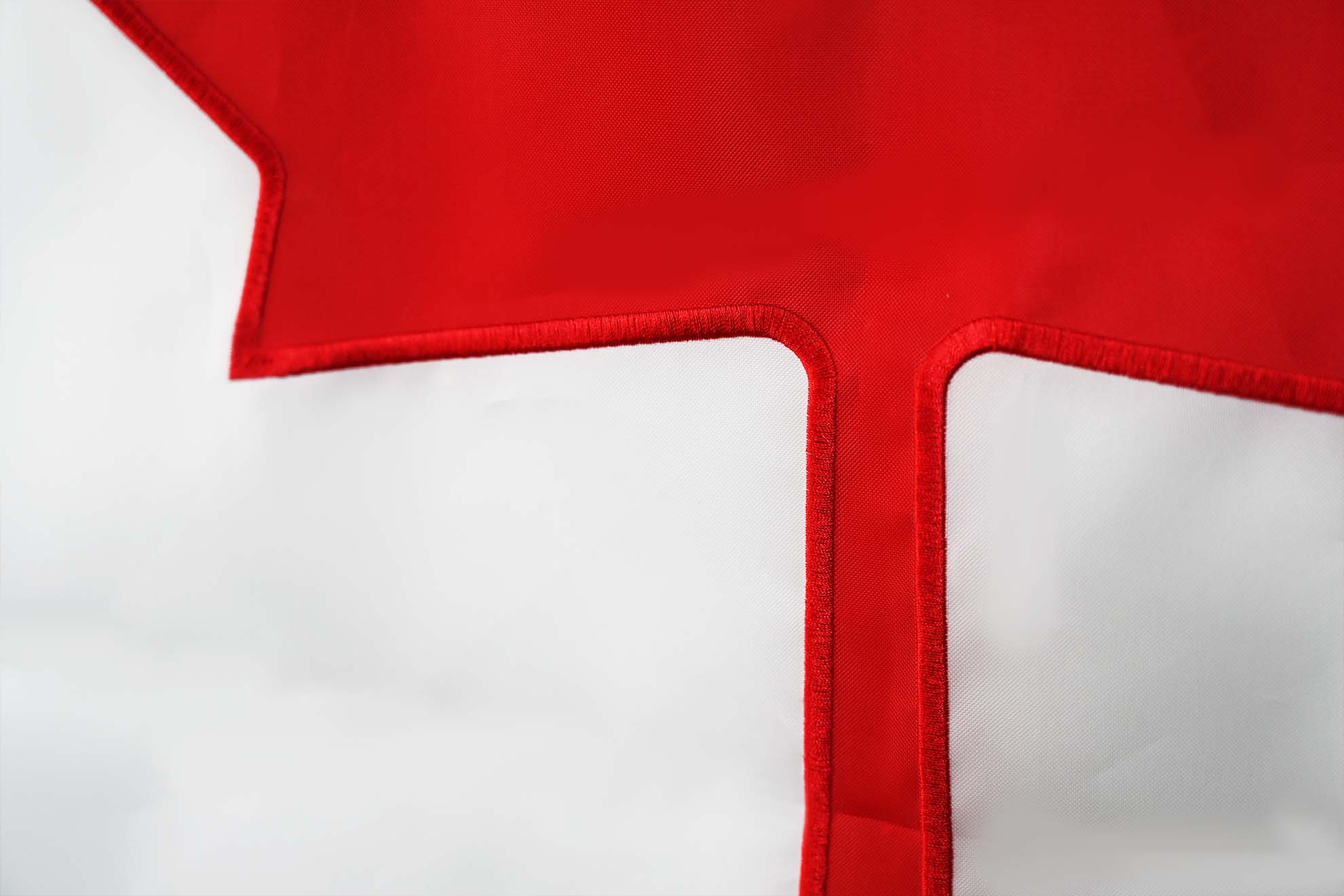
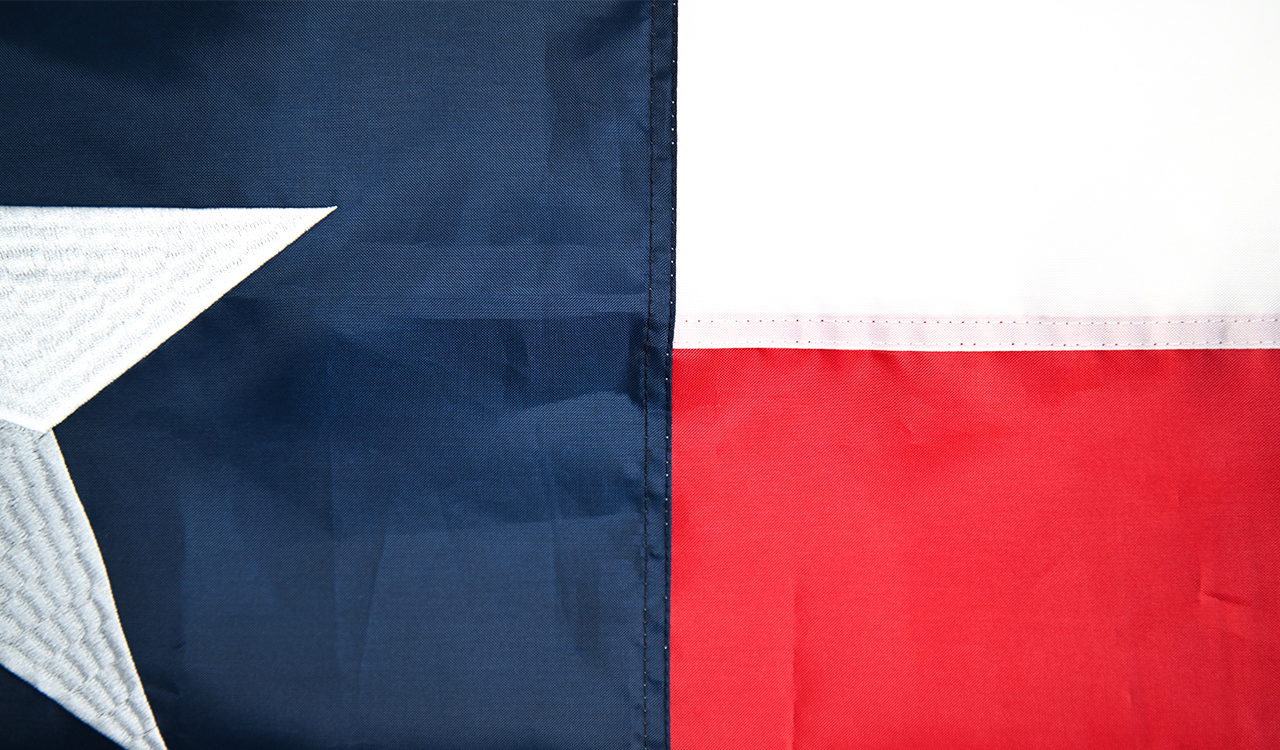
In sewn flags, individual pieces of colored fabric are cut and stitched together. This traditional method produces flags with rich, dimensional color on both sides. The seams are reinforced with double or triple stitching for durability. Sewn flags are heavier and more expensive but offer unmatched authenticity and longevity. They are the gold standard for national flags like the United States flag, where each stripe and star is a separate piece of fabric.
Printed (Dye-Sublimation) Flags
Modern dye-sublimation printing allows for detailed designs, gradients, and complex logos at a lower cost. The design is printed onto transfer paper and then heat-pressed into polyester fabric, making the dye part of the fabric itself. This prevents peeling or cracking. Printed flags are lightweight and ideal for custom designs, corporate banners, and promotional displays. At flags-factory.com, we use eco-friendly, fade-resistant inks for all printed flags.
Proper Flag Care: Extend Your Flag’s Life
Even the best materials need care. Follow these tips to keep your flags from flags-factory.com looking vibrant for years.
1. Rotate and Remove in Severe Weather
No flag is indestructible. Bring your flag inside during hurricanes, heavy snow, or sustained winds over 30 mph (48 km/h). If you cannot take it down, rotate the flag on its pole every few weeks to distribute wear evenly. This prevents one side from fading faster.
2. Clean Gently
Dust, pollen, and bird droppings can degrade fabric over time. Hand wash your flag in cold water with mild soap (never bleach or harsh detergents). Rinse thoroughly and air dry flat or hang in the shade. Machine washing is acceptable for nylon and polyester flags on a gentle cycle, but always remove any pole attachments first.
3. Repair Small Tears Immediately
A small fray or tear will quickly grow in the wind. Use a needle and thread to stitch small rips as soon as you notice them. For larger damage, consider replacing the flag—a tattered flag can look unprofessional and may signal disrespect, especially with national flags.
4. Store Properly
When not in use, fold your flag neatly and store it in a cool, dry place away from direct sunlight. Avoid storing flags in plastic bags for long periods, as trapped moisture can cause mildew. A cotton storage bag or acid-free box is ideal for valuable or historic flags.
Choosing the Right Flag for Your Needs
When shopping at flags-factory.com, consider these factors:
- Location: For outdoor use in mild climates, choose 210D nylon. For coastal areas or high wind, choose 420D polyester. For indoor display, cotton or printed polyester works well.
- Design Complexity: Simple designs with few colors are best for sewn flags. Complex logos, gradients, or photographs are better for printed flags.
- Size: Larger flags need stronger materials. A 3×5 ft flag works well in nylon, but a 6×10 ft flag should be 420D polyester for durability.
- Budget: Printed flags offer the best value for custom designs. Sewn flags are an investment in tradition and longevity.
Conclusion: Fly with Pride
Flags are more than fabric—they are statements of identity, loyalty, and aesthetic. By understanding materials, history, and proper care, you can choose a flag that flies proudly for years. Whether you need a national flag for your home, a custom banner for your business, or a commemorative piece for a special event, flags-factory.com offers premium craftsmanship at factory-direct prices.
Browse our collection today and find the perfect flag to represent what matters most to you. Every flag we make is backed by years of expertise and a commitment to quality that makes Weifang the world capital of flag manufacturing.
