

Introduction: Why Flags Matter More Than Ever
From national pride to corporate branding, flags have been a powerful symbol of identity for centuries. In 2026, the flag industry continues to evolve with advanced materials and manufacturing techniques that make flags more durable, vibrant, and versatile than ever before. Whether you’re a business owner looking for custom flags, a government procurement officer, or a hobbyist collector, understanding the materials, history, and proper care of flags is essential to getting the most value from your investment. At flags-factory.com, we specialize in crafting flags that stand the test of time—both indoors and out.

A Brief History of Flags: From Battlefields to Boardrooms
Flags have been used for thousands of years, with early examples dating back to ancient China, Egypt, and Rome. Originally made from silk, wool, or linen, these early flags were hand-painted or embroidered and used primarily for military signaling. The first flags were often simple solid colors or geometric patterns, but as nations and empires grew, flags became more complex, incorporating coats of arms, symbols, and mottoes.
By the 18th and 19th centuries, flags had become standardized for national identity. The Industrial Revolution brought mass production, and synthetic materials like nylon and polyester began to replace natural fibers in the mid-20th century. Today, flags are used for everything from government buildings and sporting events to corporate logos and decorative banners. The shift to durable, weather-resistant materials has allowed flags to fly longer and brighter, even in harsh conditions.
The Evolution of Flag Manufacturing
Modern flag production is a blend of art and engineering. At FlagsWin (旗韵), our factory in Weifang, Shandong, we combine traditional craftsmanship with cutting-edge technology. The most common manufacturing methods include:
- Sewing: Panels of fabric are cut and stitched together to form the flag. This is ideal for large flags or those with simple designs.
- Screen Printing: A stencil-based process that applies ink directly to the fabric. Best for bold, solid colors and high-volume orders.
- Dye Sublimation: Dye is transferred onto polyester fabric using heat, creating a permanent, photo-quality image that won’t crack or peel.
- Embroidery: Thread is stitched into the fabric to create raised designs. Perfect for detailed logos or text on indoor flags.
Flag Materials: Choosing the Right Fabric for Your Needs
The material you choose for your flag directly impacts its durability, appearance, and suitability for different environments. Below is a comparison of the most common flag materials available at flags-factory.com.
| Material | Best Use | Durability | Appearance | Cost |
|---|---|---|---|---|
| 210D Polyester | Outdoor flags, high-wind areas | Excellent – resists fading, tearing, and fraying | Matte finish, vibrant colors | Moderate |
| 420D Polyester | Heavy-duty outdoor flags, large banners | Superior – toughest woven polyester | Rich texture, slightly heavier | Higher |
| Nylon | Indoor flags, ceremonial flags, lightweight outdoor use | Good – lightweight but prone to fraying in high wind | Glossy, bright colors, fast-drying | Low to Moderate |
| Cotton | Indoor display, historical replicas | Low – fades and rots quickly outdoors | Natural, soft feel | Low |
Why 210D Polyester Is the Industry Standard
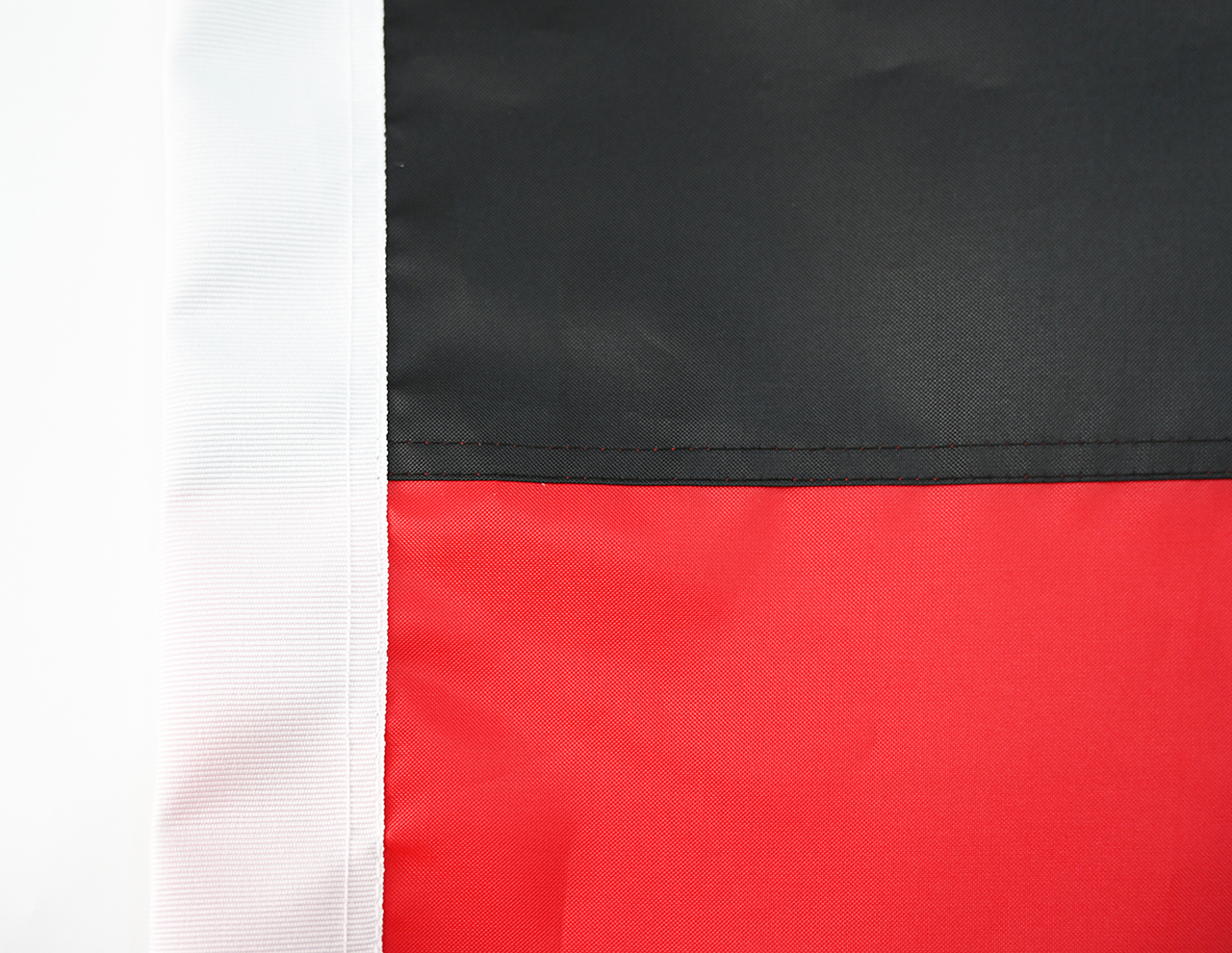
For most outdoor applications, 210D polyester is the gold standard. It offers an excellent balance of weight, strength, and color retention. The “D” stands for denier, a unit of fiber thickness. 210D fabric is tightly woven, making it wind-resistant and less likely to fray at the edges. At FlagsWin, we use high-grade 210D polyester with UV-resistant dyes to ensure your flag remains vibrant for years, even under direct sunlight. For extreme conditions—such as coastal areas with salt spray or regions with frequent storms—420D polyester provides even greater resilience.
Proper Flag Care: Extending the Life of Your Flag
Even the highest-quality flag will wear out over time if not cared for properly. Follow these tips to maximize the lifespan of your custom flags from flags-factory.com.
1. Choose the Right Flagpole Height and Wind Conditions
Flags flown in high-wind areas (above 20 mph sustained) will wear out faster. Consider using a smaller flag or a heavier material like 420D polyester. For poles over 20 feet, ensure your flag is properly sized—a flag that is too large for the pole will whip excessively and fray.
2. Inspect and Clean Regularly
Dust, pollen, and bird droppings can degrade fabric over time. Hand wash your flag in cold water with mild detergent (avoid bleach). Machine washing is not recommended unless the flag is made of polyester and is sewn with reinforced edges. Air dry only—never use a dryer.
3. Store Flags Properly
When not in use, fold your flag neatly and store it in a cool, dry place away from direct sunlight. Avoid storing in plastic bags, which can trap moisture and cause mildew. Use a breathable cotton or muslin bag for long-term storage.
4. Repair Minor Damage Early
Check your flag monthly for small tears or loose stitching. A small rip can be repaired with a needle and thread before it becomes a major problem. Many local flag shops or dry cleaners offer repair services.
5. Rotate Your Flag
If you fly your flag 24/7, consider having two flags and rotating them every few months. This allows each flag to rest and reduces wear from continuous exposure.
Conclusion: Find Your Perfect Flag at flags-factory.com
Whether you’re honoring your nation, promoting your business, or celebrating a special event, the right flag makes all the difference. At FlagsWin, we take pride in manufacturing flags that combine tradition with innovation. Our 210D and 420D polyester flags are built to last, and our expert team is ready to help you with custom designs, sizes, and finishing options. From screen printing to dye sublimation, we offer a full range of production capabilities to bring your vision to life.
Explore our collection at flags-factory.com today. Whether you need a single flag for your home or a bulk order for your organization, we deliver quality that flies high—guaranteed.
