

Understanding Flag Materials: The Foundation of Quality
When you invest in a flag, whether it is a national symbol, a corporate banner, or a decorative piece for your home, the material it is made from determines its lifespan, appearance, and performance in various weather conditions. At flags-factory.com, we specialize in producing flags that meet the high standards of durability and craftsmanship. This guide will walk you through the most common flag materials, their characteristics, and how to choose the right one for your needs.
Polyester: The Workhorse of Flag Fabrics
Polyester is the most widely used material for outdoor flags, and for good reason. It offers an excellent balance of durability, color retention, and cost-effectiveness. Two primary weights dominate the market:
- 210D Polyester: This is the industry standard for outdoor flags. The “210D” refers to denier, a unit of fiber thickness. 210D polyester is lightweight yet strong, resistant to fraying, and holds vibrant colors through dye sublimation or screen printing. It is ideal for national flags, state flags, and custom designs that will fly daily. Flags made from this material typically last 6 to 12 months in moderate wind conditions.
- 420D Polyester: For flags that face extreme weather—coastal winds, high altitudes, or heavy rain—420D polyester is the superior choice. It is nearly twice as thick as 210D, offering enhanced tear resistance and UV protection. This material is commonly used for large institutional flags, military banners, and any application where maximum longevity is required. Expect a lifespan of 12 to 24 months or more with proper care.
Nylon: The Premium Outdoor Choice
Nylon flags are prized for their luxurious look and feel. The fabric has a natural sheen that makes colors appear deeper and more vibrant. Nylon is also lighter than polyester of equivalent denier, allowing flags to fly in the gentlest breeze. However, nylon is more susceptible to UV degradation and may fade faster in direct sunlight. For this reason, many manufacturers treat nylon with UV inhibitors. If you prioritize aesthetic appeal over extreme durability, nylon is an excellent option for residential display or indoor use.
Cotton: For Ceremonial and Indoor Use
Cotton flags have a classic, textured appearance that is often preferred for ceremonial purposes, historical reenactments, or indoor displays. Cotton is not weather-resistant—it absorbs moisture, mildews easily, and fades quickly in sunlight. However, it takes embroidery beautifully, making it the material of choice for hand-sewn or embroidered flags. At flags-factory.com, we offer cotton flags for customers who value tradition and craftsmanship over outdoor longevity.
Manufacturing Techniques: Sewing, Embroidery, and Printing
The material is only part of the story. How a flag is constructed affects its appearance and durability just as much as the fabric itself.
Sewn Flags
Traditional sewn flags are made by cutting individual pieces of fabric and stitching them together. This method is standard for national flags with simple designs, such as the United States flag or the flag of France. Sewn flags are highly durable because the colors go all the way through the fabric—there is no printing to fade. They are also heavier and fly better in strong winds.
Printed Flags
Digital printing and screen printing allow for highly detailed designs, gradients, and photographic images. Printed flags are lighter than sewn flags and can reproduce complex logos or artwork with precision. Dye sublimation printing is the most common technique for polyester flags, as the ink bonds with the fibers to create a soft, vibrant finish that resists cracking or peeling.
Embroidered Flags
For a premium, textured look, embroidery adds raised stitching to the flag surface. This is often used for seals, crests, or lettering on cotton or polyester flags. Embroidered flags are heavier and more expensive but offer a three-dimensional quality that printed flags cannot match.
Proper Flag Care: Extending the Life of Your Investment
Even the highest-quality flag will eventually wear out, but proper care can significantly extend its lifespan. Follow these tips to keep your flag looking its best:
- Take it down in extreme weather: High winds, heavy rain, and snow can stress flag seams and cause fraying. Bring your flag indoors during storms or use a storm-resistant flag for severe conditions.
- Clean your flag regularly: Dirt and pollutants can accelerate fabric degradation. Hand wash your flag in cold water with mild detergent. Avoid bleach or harsh chemicals. Machine washing is not recommended, as it can damage stitching and printing.
- Repair minor damage promptly: A small fray at the fly end can be trimmed or stitched to prevent it from growing. If the flagpole hem or grommets are damaged, replace them before flying the flag again.
- Store flags properly: When not in use, fold your flag neatly and store it in a cool, dry place away from direct sunlight. Avoid storing a damp flag, as moisture can lead to mildew.
- Rotate your flags: If you fly multiple flags, rotate them to distribute wear evenly. This is especially important for flags with asymmetrical designs.
Choosing the Right Flag for Your Needs
Not all flags are created equal. To make the best choice, consider these factors:
| Factor | Recommended Material | Notes |
|---|---|---|
| Daily outdoor display | 210D Polyester | Best balance of cost, durability, and color retention |
| Extreme wind or coastal areas | 420D Polyester | Thicker, stronger, and more UV-resistant |
| Gentle breeze display | Nylon | Lighter fabric with vibrant sheen |
| Indoor or ceremonial use | Cotton | Classic appearance, excellent for embroidery |
| Custom designs with photos or logos | Printed 210D Polyester | Dye sublimation provides sharp detail |
Why Buy from flags-factory.com?
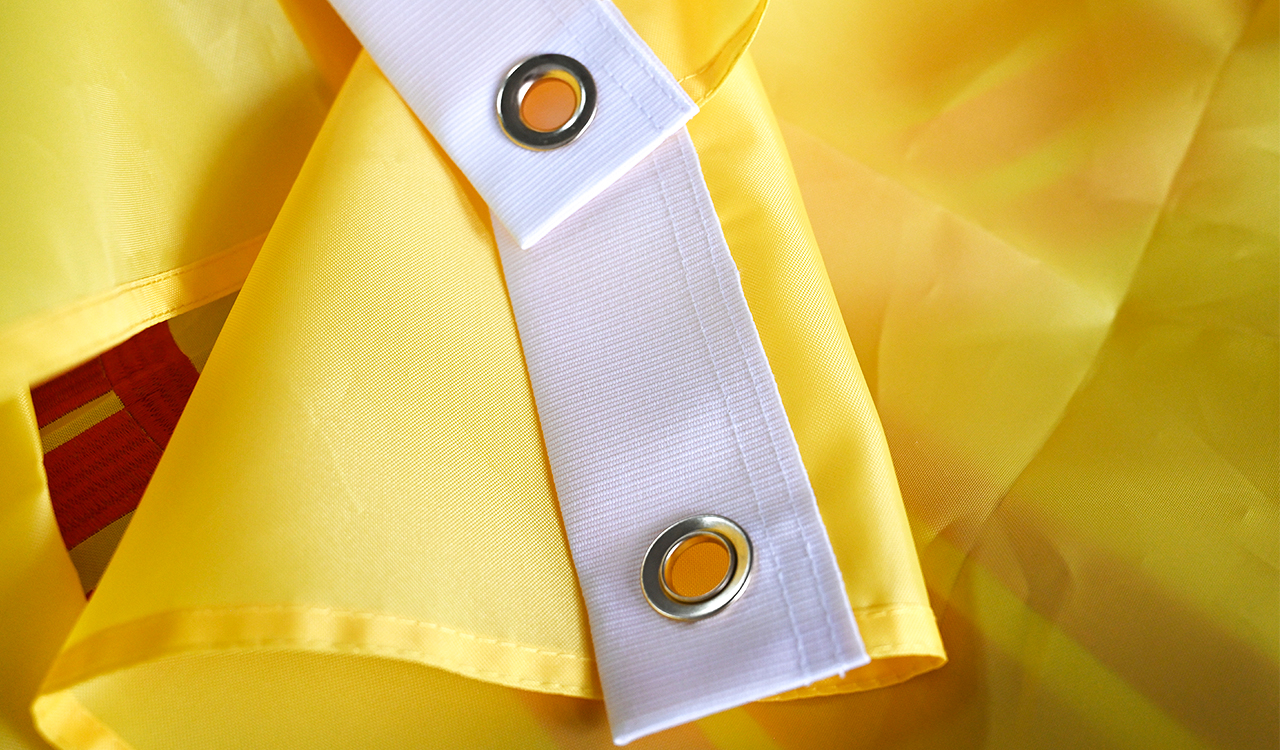
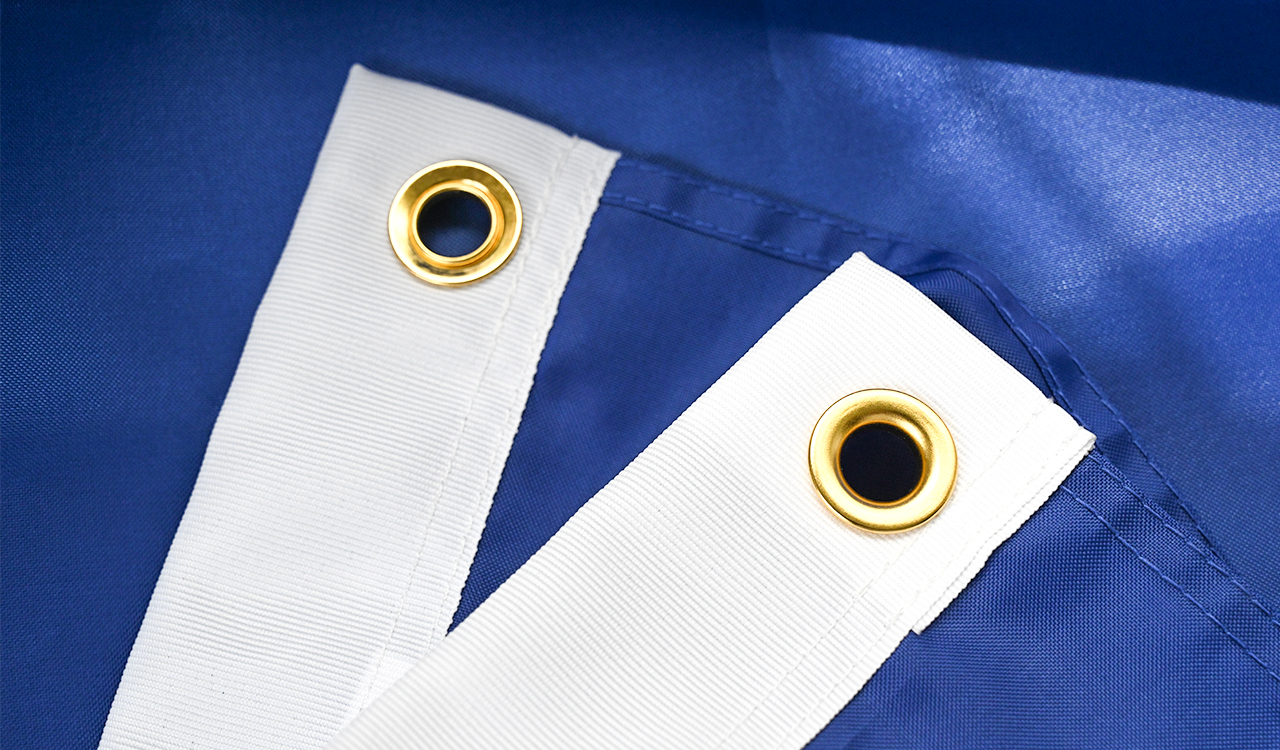
As a manufacturer based in Weifang, Shandong—the flag capital of China—we control every stage of production, from raw material selection to final quality inspection. We offer a wide range of sizes, from small hand-held flags to massive 10-foot by 15-foot banners. Every flag is made with reinforced stitching, double-stitched fly ends (the part that takes the most wear), and brass grommets that resist rust. Whether you need a single custom flag for your business or a bulk order for a government institution, we deliver quality that lasts.
Ready to find the perfect flag for your home, business, or event? Browse our collection at flags-factory.com and discover flags built to fly proudly for years to come.
