

Why Flags? A Legacy of Identity and Communication
From the battlefields of ancient dynasties to the proud poles of modern federal buildings, flags have always been humanity’s most powerful symbols for communication and identity. For over a decade, FlagsWin (旗韵), based in Weifang, Shandong—the renowned capital of kites and banner crafts—has perfected the blend of tradition and modern manufacturing to produce custom flags that endure. As we navigate the second half of 2026, discerning buyers aren’t just looking for symbols; they are looking for durability, color fastness, and craftsmanship that weathers both political winds and literal storms.
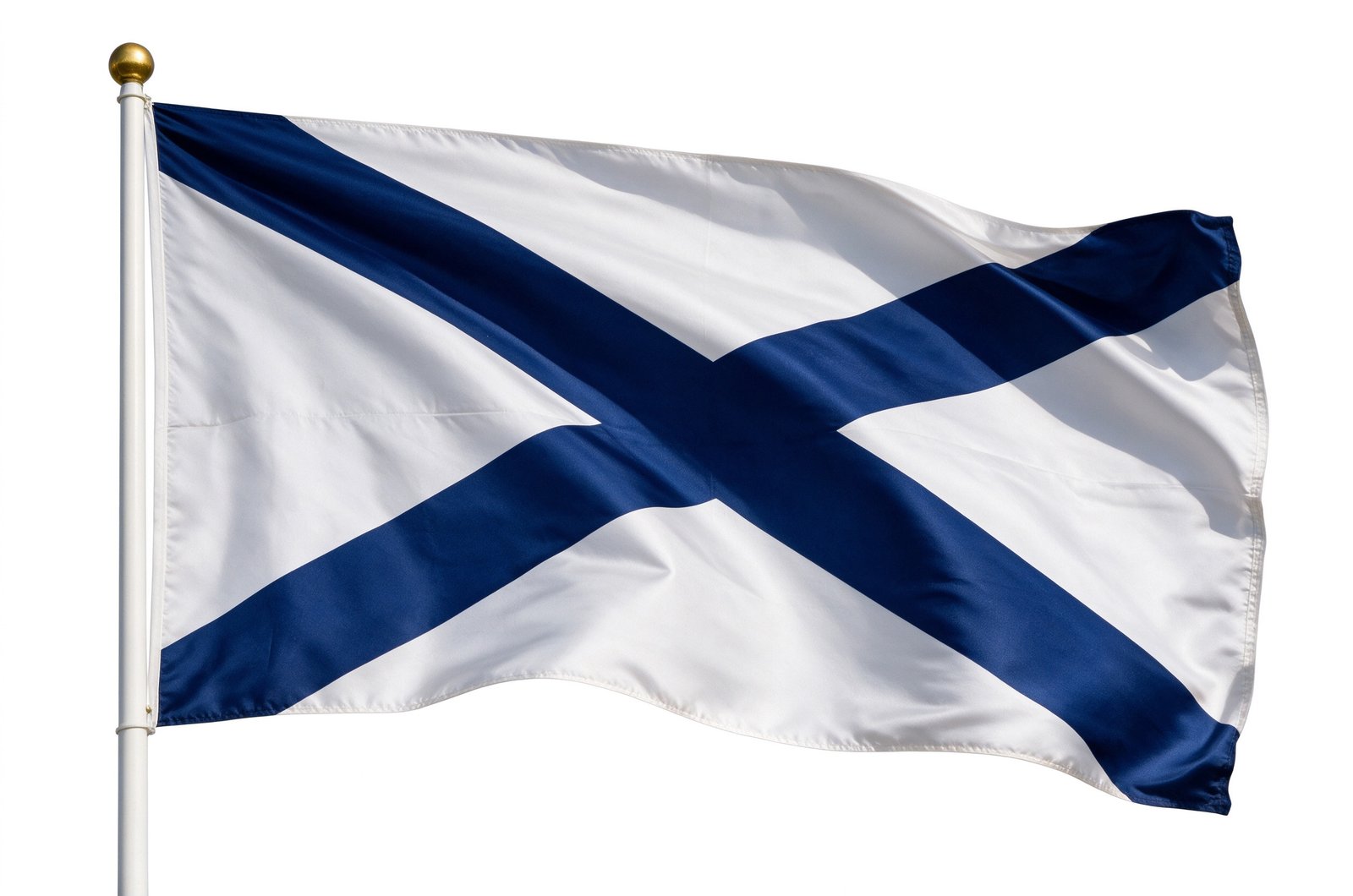
A Brief Walk Through Flag History
Flags were not always the mass-produced nylon and polyester we see today. Historically, they originated in ancient China around 2800 B.C., used primarily for military signal communication. Its Roman legions used vexillum—a fabric hung from a crossbar—which is why we have the term “vexillology” today. During the Middle Ages, heraldic flags became the calling cards of knights and kingdoms, integrating intricate embroidery and fringes.
Modern flag-making, however, is a highly engineered technology. The transition from coarse flax and cotton to synthetic polymers in the 20th century revolutionized the industry. Here at FlagsWin, we honor this rich history by combining precision stitching with ultra-vibrant print technology, allowing our clients to create their own legacy.
Understanding the Right Materials for Your Custom Flags
One of the most critical mistakes customers make is choosing a flag solely based on the design. The substrate—the fabric itself—dictates the lifespan, flyability, and overall appearance of the finished product. Here is a breakdown of what we use at flags-factory.com and why we recommend specific materials for specific use cases.
1. 210D vs. 420D Nylon
Nylon is the gold standard for outdoor custom flags because it is lightweight, dries incredibly quickly, and has a bright, glossy finish that makes colors pop. The “denier” (D) rating refers to the thickness and weight of the nylon threads.
- 210D Nylon: This is slightly lighter, making it perfect for moderate climates and single-sided reprography. It flies readily in light breezes, minimizing stress on the flagpole hardware.
- 420D Nylon: This is our heavy-duty recommendation. It is twice the weight of standard polyester flags, offering superior tensile strength. It resists tearing at the fly hem (the edge farthest from the pole) even when exposed to gusty coastal winds.
2. Heavy-Duty Polyester
While nylon offers shine, polyester offers a textured, matte finish that feels more “official.” It is significantly heavier, which means it requires a brisk wind to truly fly. However, its heavyweight construction makes it exceptionally UV-resistant. For retail stores displaying flags outdoors year-round, we highly recommend polyester to avoid fading and fraying, although it should be paired with a heavier-duty pole.
| Material | Best Use Case | Durability | Flyability (Light Wind) |
|---|---|---|---|
| 210D Nylon | Residential, indoor display | Good | Excellent |
| 420D Nylon | High-wind outdoor commercial (businesses, coastal) | Excellent | Very Good |
| Heavy-Duty Polyester | Monumental/Public display, nationwide flags | Outstanding | Moderate |
The Art of Manufacturing: Print and Stitch
The most common mistake people make is assuming that all flags are embroidered. While embroidery at scale is reserved for flags like military colors, most modern custom flag printing relies on two techniques:
- Dye Sublimation: This technique involves printing dyes onto transfer paper and then using heat to bond the ink with the molecular structure of the nylon or polyester. The result is a vivid, full-bleed design that runs completely through the fabric, preventing fading and showing no white cracks when the flag bends.
- Screen Printing: Used for extremely large bulk orders or simple, bold designs. Durable inks are pushed through mesh screens onto the fabric, creating a layer of protective pigment on the surface.
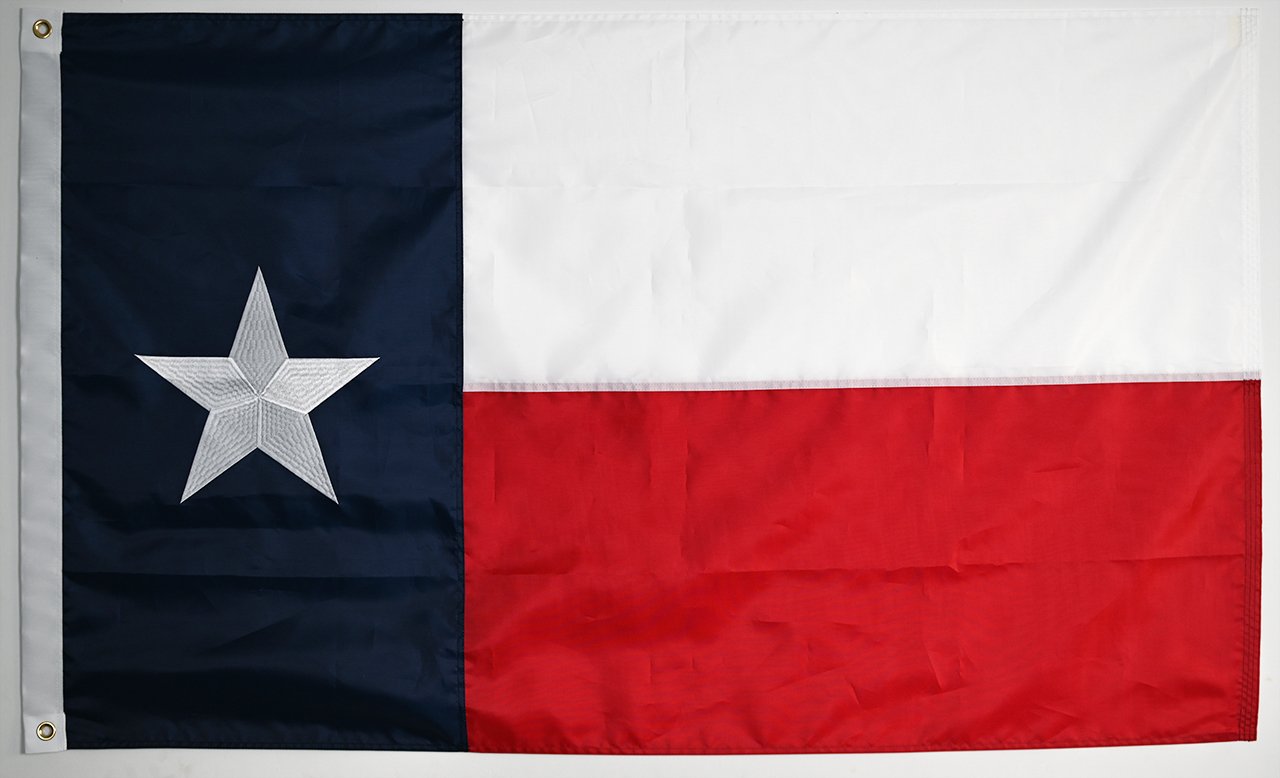
We pair these printing methods with four-stitch reinforced fly hems and durable canvas header tape with brass grommets to prevent vertical ripping.
Proper Care and Maintenance Tips for Longevity
Even the most robust 420D nylon custom flags will degrade if ignored. Proper care significantly extends operational life, reducing replacement costs for B2B buyers. Here are our recommended protocols:
Washing and Handling
Hand wash your flags in cold water with a mild liquid soap. Important warning: Do not use strong detergents or bleaches; these break down the UV-inhibitors woven into the polyester. Never wring out a flag—hang it flat to dry, ensuring the fly hem isn’t puddling water weight.
Weather Considerations
As we enter the gustier months of late 2026, check your local wind forecasts. Flags are designed to fly in winds up to 20-25 mph. When storms approach, furl and store your flag. A wet flag left out during a freeze can crack 420D nylon fibers.
Rotation and Folding
If you fly a flag daily, it will experience uneven sun exposure on the fly end. Rotating your flag every few months helps even the fading across the whole fly. When folding, adhere to the standard 3-fold military, triangular folding technique. Avoid creating sharp creases that can weaken the fabric fibers over time.
Usage Tips: Getting the Most Out of Your Purchase
Before you hit the “order” button on flags-factory.com, consider your installation area. If you are a business owner in a high-rise area, the micro-wind environment near solid walls is often turbulent. Opt for a slightly lighter 210D material to allow the flag to ripple dramatically rather than snap violently. For traditional ground-mounted poles in open suburbs, 420D offers the robustness needed to endure long summer days.
Looking for a durable indoor solution? Consider our tri-color bunting or sleeve-mounted wall flags. These bypass the need for grommets and protect the fabric from high-stress pole hooks, maintaining the glossy presentation of your brand or alma mater.
Conclusion: Fly Your Colors with FlagsWin
By choosing the correct material and following basic care steps, a premium flag can serve beautifully for years. We wear our Weifang heritage with pride, knowing that the craftsmanship behind every seam is mission-critical for our global clients. Whether you need a national flag with strict colorfastness, a custom flag for a corporate launch, or a commercial banner that withstands weather—premium manufacturing isn’t just about printing; it’s about engineering a lasting symbol.
When you’re ready to elevate your display standards, browse our extensive catalog at flags-factory.com and find the exact material and finish designed to represent your values for years to come.
