

Screen Printing vs Digital Printing for Custom Flags: How to Choose the Right Method
Ordering custom flags means making several decisions — size, fabric, hem style, and hardware. But one of the most important choices happens before any of that: how your design will be printed. The two main methods used in the flag industry are screen printing and digital printing (including dye-sublimation). Each has distinct strengths, and the right choice depends on your order quantity, design complexity, color requirements, and budget.
This guide breaks down how both methods work, where they differ, and how to match the right process to your flag project.
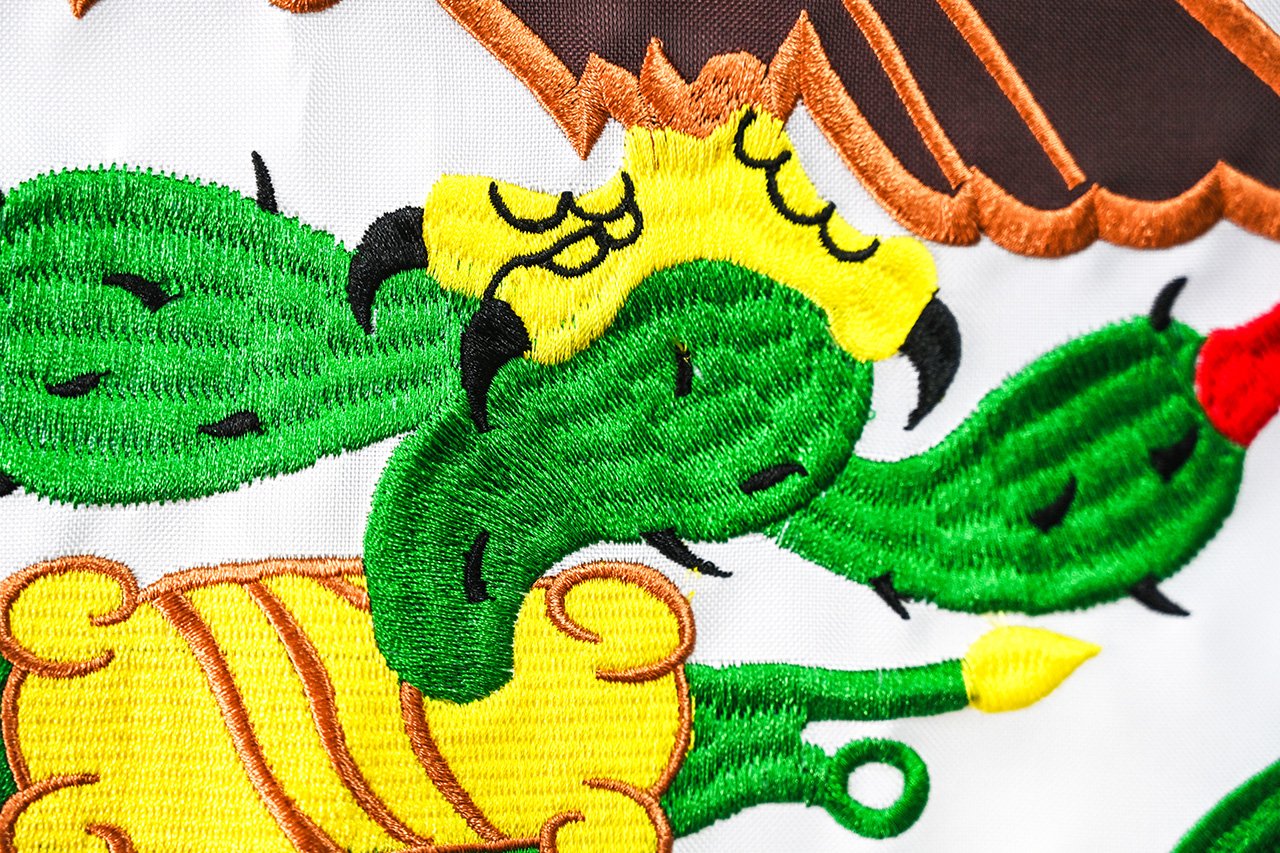
What Is Screen Printing for Flags?
Screen printing is a stencil-based process. A mesh screen is prepared with a stencil of your design, and ink is pushed through the mesh onto the fabric using a squeegee. Each color in your artwork requires its own screen, so a four-color design means four separate screens and four passes through the press.
For flag applications, screen printing is commonly used with woven polyester or knitted polyester fabrics. The ink sits on the surface of the material and is then cured or heat-set to bond with the fabric.
Strengths of Screen Printing
- Solid color accuracy: Screen printing excels at matching solid Pantone colors. Because the ink is applied in a single, consistent layer, colors tend to be uniform across the flag.
- Cost efficiency at scale: The upfront cost of creating screens is spread across the total quantity. For larger runs, the per-flag cost becomes attractive.
- Bold, clean results: Simple designs with hard edges, logos, text, and block colors come out sharp and vivid.
- Weather resistance: The heavier ink deposit can offer good weather resistance for outdoor flags when paired with quality materials.
Limitations of Screen Printing
- Setup cost: Each screen adds cost and preparation time. A design with many colors becomes expensive in the setup phase.
- Gradients and photos: Screen printing is not well suited to photographic images, soft gradients, or fine shading. These effects require halftones, which reduce detail.
- Small orders: For a single flag or a small batch, screen setup costs are hard to justify.
What Is Digital Printing for Flags?
Digital printing transfers your design directly from a digital file to the fabric — no screens, no stencils, no setup plates. For polyester flags, the most common digital method is dye-sublimation printing. The design is printed onto transfer paper and then heat-pressed, which turns the dye into a gas that bonds with polyester fibers. The result is color that becomes part of the fabric itself.
Because there is no per-color setup, digital printing handles complex artwork easily. Gradients, photographic imagery, fine text, and designs with dozens of colors all print in a single pass.
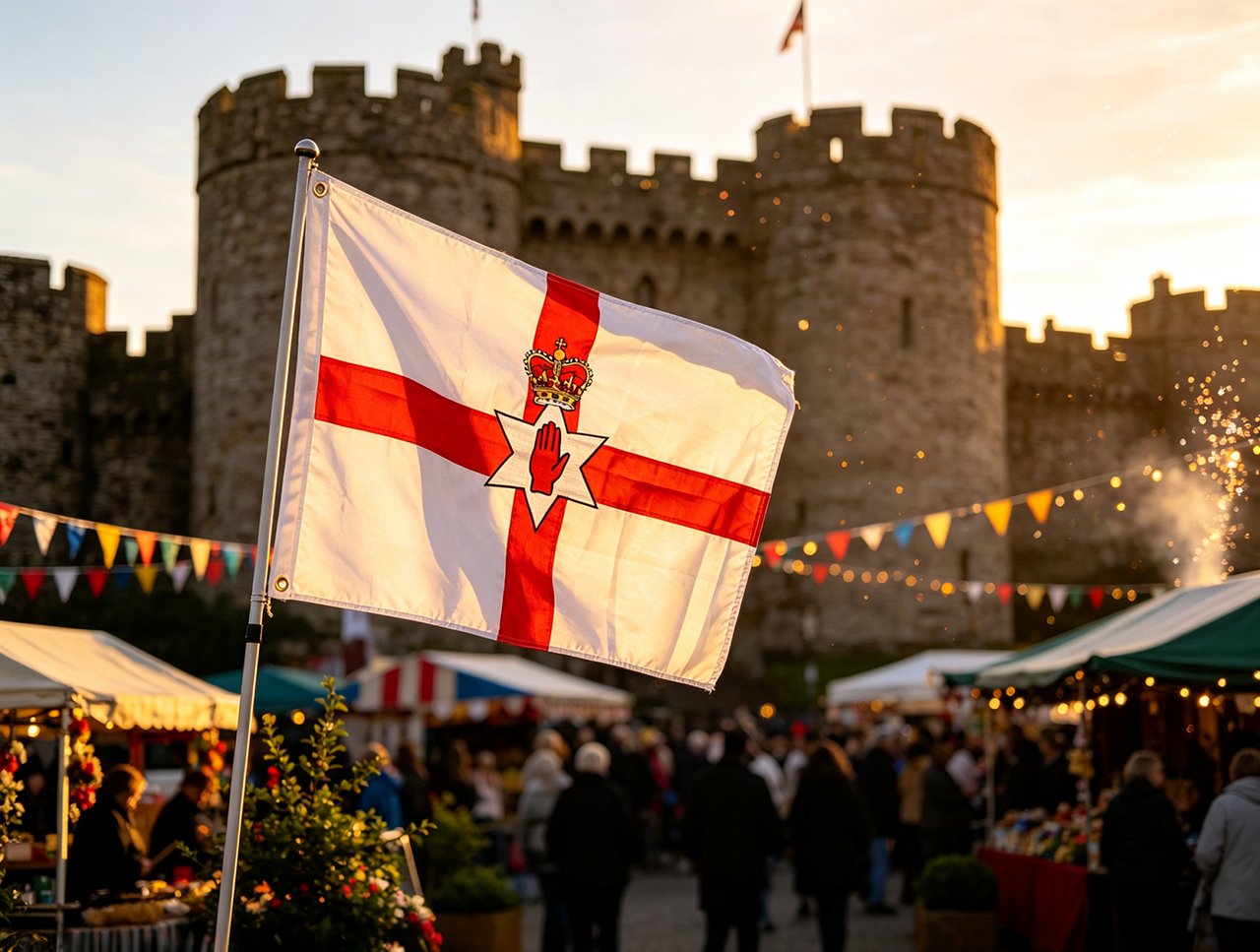
Strengths of Digital Printing
- Detail and complexity: Photographs, illustrations, gradients, and multi-color artwork reproduce with high fidelity. Complexity does not increase cost.
- Low setup, fast turnaround: With no screens to create, digital printing can move from approved artwork to production quickly. This makes it a practical option for tight timelines.
- Small order flexibility: Ordering a single flag or a short run is economical because there are no setup fees to absorb.
- Fabric feel: With dye-sublimation, the dye embeds into the fibers, leaving the fabric soft and pliable — a benefit for flags that need to drape or fly smoothly.
Limitations of Digital Printing
- Per-unit cost: Digital printing costs per flag remain relatively stable, so large runs do not gain the same economies of scale as screen printing.
- Pantone matching: Digital printing uses a CMYK color model. While a wide color range is possible, matching a specific solid Pantone swatch may require careful color profiling and proofing.
- Fabric compatibility: Dye-sublimation works best with polyester or polyester-rich fabrics. Natural materials such as cotton are not suitable for this process.
Screen Printing vs Digital Printing: Key Differences at a Glance
| Factor | Screen Printing | Digital Printing |
|---|---|---|
| Setup cost | Higher — screens required per color | Low — no screens or plates |
| Best order quantity | Large runs where setup is amortized | Small to medium runs and single flags |
| Color matching | Strong for solid Pantone colors | Good for CMYK and broad color ranges |
| Design complexity | Limited by color count and simple shapes | Handles gradients, photos, and fine text |
| Per-flag cost trend | Decreases notably with quantity | Relatively stable across quantities |
| Turnaround for new orders | Longer due to screen preparation | Faster — artwork goes straight to the printer |
How to Choose the Right Printing Method
There is no single “correct” method — the best choice depends on your specific project. Work through these factors to narrow it down.
Order Quantity
If you are ordering a large volume of identical flags — for an event series, corporate branding, or retail stock — screen printing is often the more economical route. If you need fewer than a few dozen flags, or if quantity varies between orders, digital printing is typically the better fit.
Design Complexity
Look at your artwork. Does it include a photograph, a smooth gradient, or many overlapping colors? Digital printing handles these tasks without any additional cost. If your design is a simple two- or three-color logo with bold shapes, screen printing can produce crisp, consistent results that may suit your branding needs.
Color Accuracy Requirements
If your brand demands a precise solid Pantone color across a large run, screen printing offers a direct path to that color using premixed inks. Digital printing can get close, but exact matching may require test prints and minor adjustments. For many customers, the digital print quality is more than acceptable — but for strict brand-matched colors at volume, screen printing has the edge.
Budget and Timeline
Digital printing keeps your upfront investment low and moves quickly from approved artwork to production. Screen printing involves an initial setup investment but pays off on larger orders. If you are uncertain about long-term quantity, starting with digital printing and switching to screen printing for later volume orders is a practical strategy.
Making the Final Decision
Both screen printing and digital printing produce durable, attractive custom flags when executed with careful craftsmanship and quality materials. The right method comes down to your priorities:
- Need a small batch quickly with complex artwork? Digital printing is your method.
- Ordering a large quantity of a simple, solid-color design? Screen printing offers an economical path.
- Want photographic detail on a single flag? Digital printing is the clear choice.
If you are still unsure, the team at flags-factory.com can review your artwork, quantity, and budget to recommend the method that fits your project. With a full range of custom flag products available — from outdoor national flags to branded promotional flags — you can get the right print, on the right fabric, for your needs.
Browse the custom flag options at flags-factory.com and get a quote for your next order.
