

The Foundation of Every Great Flag: Why Material Matters
Whether you are flying a national banner at a government building, a corporate feather flag outside a storefront, or a commemorative custom flag at a family event, the material you choose determines everything—vividness, durability, weather resistance, and ultimately the lifespan of the product. At FlagsWin, our Weifang-based manufacturing facility has spent many years perfecting flag fabrication, and the first question every experienced flag maker asks is simple: what fabric will serve the customer’s environment best?
In this guide, we break down flag materials, manufacturing techniques, and proper care so your flags stay vibrant and intact for years—not months.
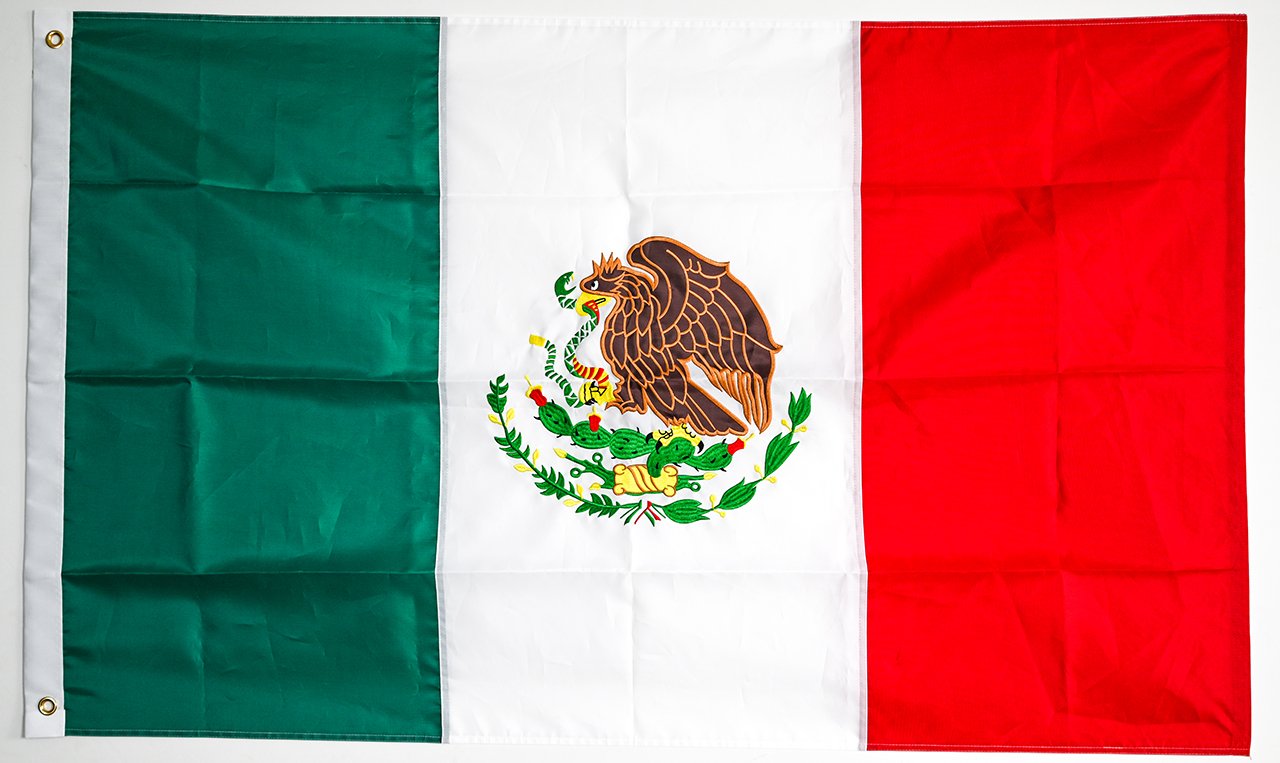
Understanding Flag Fabrics: 210D, 420D, and Nylon
Not all fabric is created equal. At flags-factory.com, we offer three primary flag-grade materials, each with distinct strengths:
210D Polyester — The All-Rounder
210D (denier) polyester is the industry workhorse for mid-weight custom flags. It strikes an excellent balance between affordability, color vibrancy, and durability. The tight weave holds dyes exceptionally well, making it ideal for screen-printed designs with fine detail. We recommend 210D for decorative flags, trade show banners, and promotional events where a lifespan of 6–12 months of moderate outdoor use is expected.
420D Polyester — Maximum Durability
When your flag needs to endure harsh coastal wind, intense sun, or extended outdoor display, 420D polyester is the heavy-duty choice. This premium fabric—used in our FlagsWin Heavy Weather Series—is roughly twice the thickness of 210D, resists tearing at stress points, and is treated with UV inhibitors to slow fading. Municipalities and resorts favor 420D for large-format flags that fly 24/7. The trade-off is a slightly stiffer drape, but modern weaving techniques keep it flexible enough to fly well in gentle breezes.
Nylon — The Classic Beauty
Nylon is prized for its glossy sheen and lightweight, fluid movement. It flies in the lightest breeze, making it perfect for residential flagpoles and ceremonial display. Nylon takes dye beautifully, producing exceptionally rich colors. However, it is less resistant to UV degradation than polyester; with proper care, a nylon flag may last 4–8 months outdoors before significant fading occurs. For indoor or part-time display, nylon is often the best choice.
| Material | Best For | Outdoor Lifespan | Price Point |
|---|---|---|---|
| 210D Polyester | Promotional, custom, low-wind areas | 6–12 months | $ |
| 420D Polyester | Coastal, high-wind, 24/7 display | 12–24 months | $$ |
| Nylon | Residential, ceremonial, indoor | 4–8 months (UV-sensitive) | $$$ |
How Flags Are Built: Sewing, Embroidery & Screen Printing
Material is only half the story. The fabrication method affects both aesthetics and longevity. At FlagsWin, we use three primary techniques—and often combine them for custom projects.
- Screen Printing: Ink is pressed directly through mesh screens onto the fabric, producing bold, saturated color blocks. Best for simple designs, national flags, and large quantity orders. Our inks are water-based and eco-friendly, and they absorb into the fibers rather than sitting on top—reducing cracking and peeling.
- Embroidery: For seals, crests, and lettering, embroidery adds a premium raised texture. We use high-density polyester thread with a stabilizer backing to prevent puckering. Note: heavy embroidery can stiffen a flag, so we recommend it for smaller areas or indoor presentation flags.
- Precision Sewing: Flags with stripes, borders, or multiple panels are sewn using double-stitched (and sometimes quad-stitched) hems. Our lock-stitch sewing machines create seams that withstand flogging in high wind, and every flag receives a reinforced fly hem—the edge farthest from the pole—to prevent premature fraying.
For custom flags, our in-house digitizers convert your artwork into a color-separated print file, ensuring that what you see on screen matches the finished flag, stitch-for-stitch and hue-for-hue.
Proper Flag Care: Daily Habits That Extend Life
Even the toughest 420D flag will fail early if neglected. Follow these simple best practices from our production floor:
1. Bring It In During Extreme Weather
Severe thunderstorms, hail, and hurricane-force winds will damage any fabric. If you know a storm is coming, lower and store your flag. This single habit can double its lifespan.
2. Wash Gently, Dry Flat
Over time, flags collect dust, pollutants, bird droppings, and tree sap, which degrade fibers and block vibrant colors. Hand-wash with mild detergent (never bleach) in cold water, or use a gentle machine cycle with the flag in a mesh laundry bag. Air-dry flat; do not put a flag in a dryer—the heat and tumbling weaken the weave and can melt polyester.
3. Repair Frays Immediately
A tiny fray on the fly hem will unravel quickly in wind. Use our FlagsWin Fray Repair Kit or any heat-bonding nylon tape to patch small tears right away. If the flag is significantly worn, retire it and replace it—flying a tattered flag reflects poorly on any organization.
4. Rotate and Alternate
If you have multiple flags (e.g., seasonal designs), rotate them. This distributes sun exposure and gives each flag a recovery period. Many of our B2B clients order two sets of custom flags per location to enable rotation.
5. Store Properly
When not in use, fold your flag neatly (triangular folds for national flags, per etiquette) and store it in a cool, dry, dark place. A plastic storage bin with a silica gel packet prevents moisture damage and mildew.
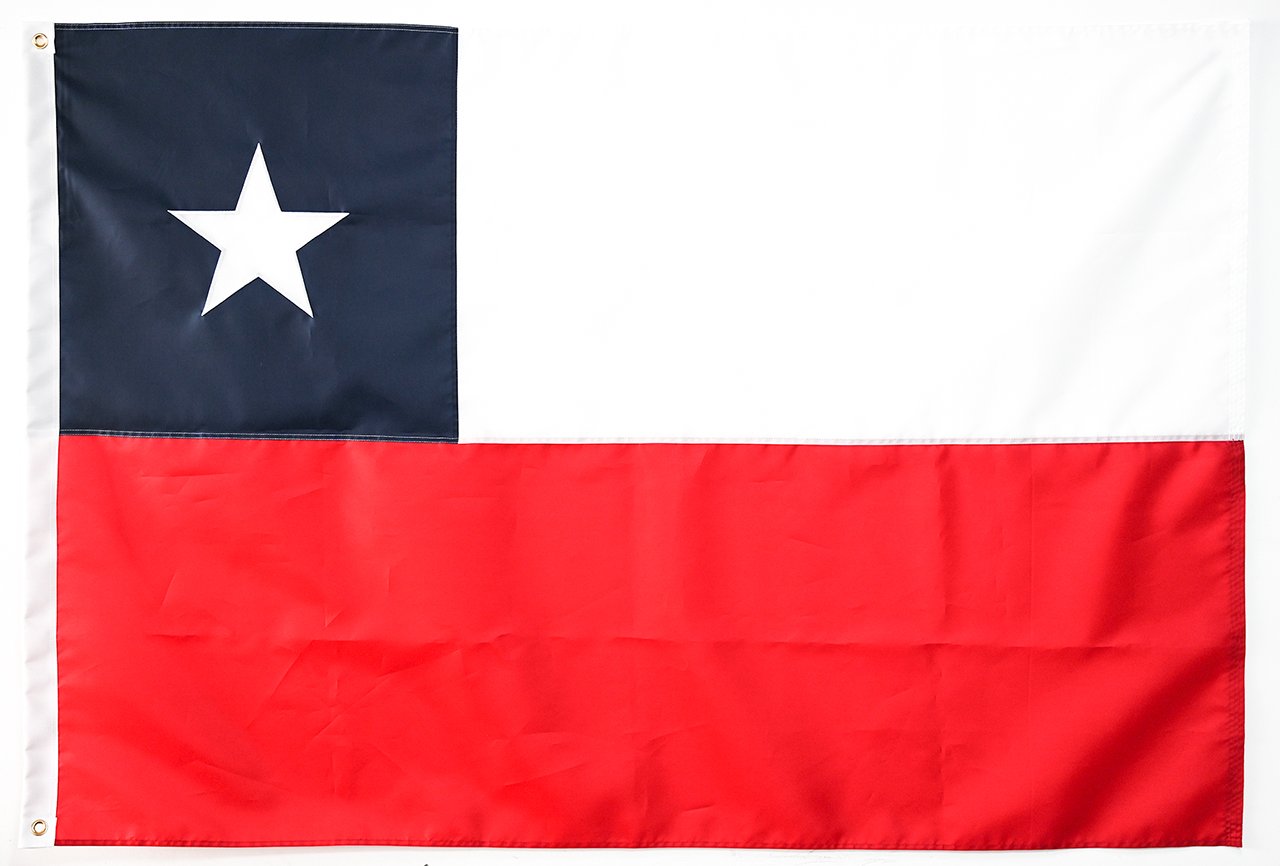
Usage Tips by Environment
Different settings demand different strategies:
- Coastal/Beachfront: Salt spray is the enemy. Rinse your flag with fresh water weekly—even if it looks clean. Choose 420D polyester with stainless steel rings for grommets.
- High-Altitude or Windy Plains: Choose a lighter 210D polyester and a smaller flag size so the wind doesn’t shred the fabric. A flag that whips violently will fail faster.
- Indoor/Event Display: Nylon offers the most luxurious drape under interior lighting. Use a fringe or gold trim to elevate ceremonial presence.
- Night Flying: If you display the flag at night, illuminate it with a spotlight. Proper illumination reduces dew accumulation and honors flag etiquette (flags should not fly in darkness unless lit).
Craftsmanship Rooted in Weifang, Worldwide
Weifang, Shandong, is China’s flag-making heartland, and FlagsWin is one of its most trusted manufacturers. From precision color matching to reinforced hem stitching, every flag that leaves our workshop passes a five-point quality inspection. Whether you need 1 custom banner or 10,000 national flags, our factory-direct pricing and dedicated design team are ready to serve you.
Ready to see the difference high-quality materials and craftsmanship can make? Browse our full collection of custom flags, national flags, and banner products at flags-factory.com. Use our online flag configurator to design your masterpiece, or contact our team for expert material recommendations tailored to your region’s climate. Your flag deserves to fly proud—we’ll make sure it does.
