

Why Your Flag’s Material Matters More Than You Think
Whether you’re ordering a national flag for a government building, a feather banner for a grand opening, or a personalized flag for your backyard, the material you choose determines everything about its appearance, durability, and lifespan. At flags-factory.com, we frequently hear from customers who are surprised that their outdoor flag faded or frayed within months — and in nearly every case, the issue comes down to material selection and care.
In this guide, we’ll break down the most common flag fabrics, explain how manufacturing techniques affect quality, and share professional care tips that will keep your flags looking sharp for years.
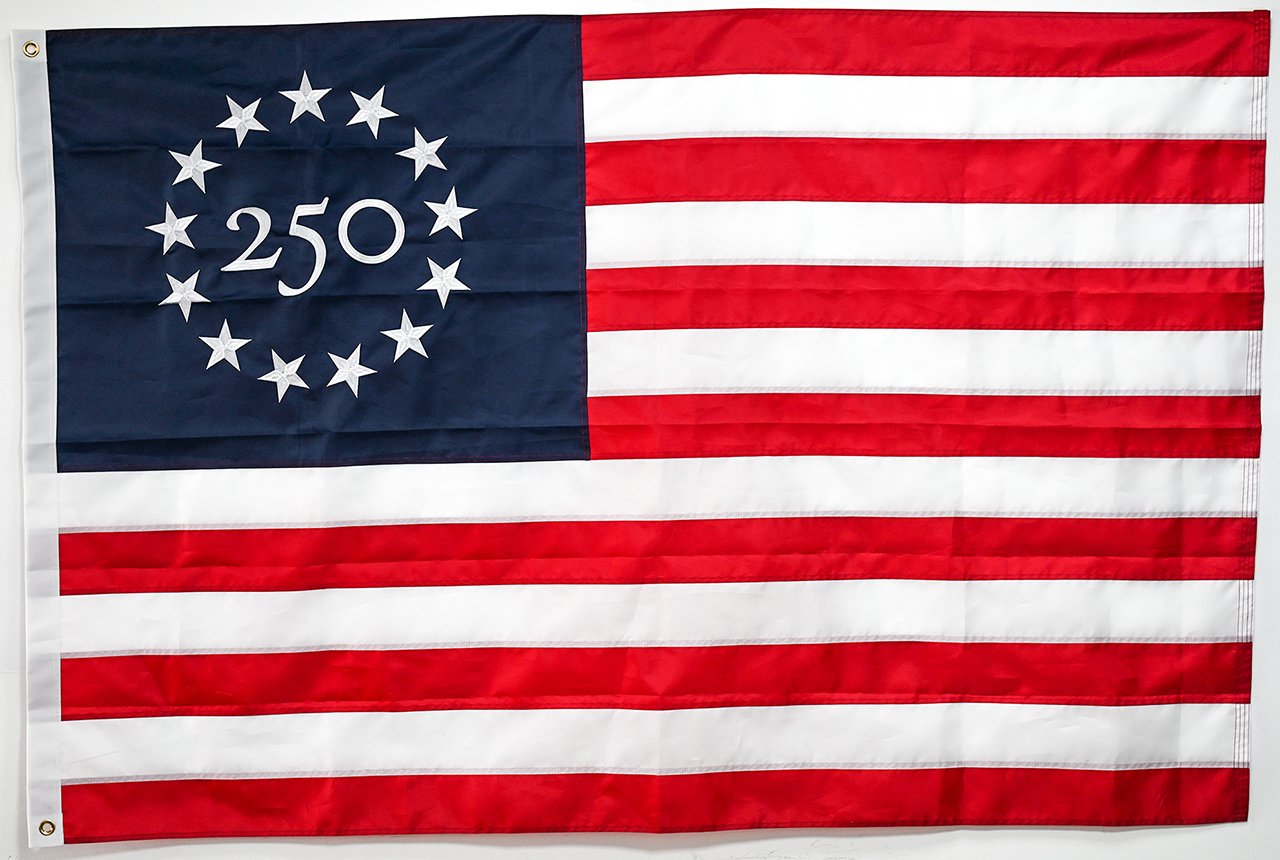
Understanding Flag Materials: Nylon vs. Polyester
The two dominant materials for flags are nylon and polyester, and each serves distinct purposes. A third option — cotton — is still used for ceremonial and indoor flags, but it’s rarely recommended for outdoor use because it absorbs moisture and fades quickly.
Nylon Flags: Lightweight and Vibrant
Nylon is the most popular flag fabric for general outdoor use. Here’s why:
- Lightweight: Nylon flags fly in the slightest breeze, which means they look lively even on calm days.
- Vivid colors: The fabric holds dye exceptionally well, producing bright, saturated hues that appear almost glowing in sunlight.
- Quick-drying: Nylon resists water absorption, so morning dew or light rain won’t leave the flag heavy or damp for long.
Standard nylon flags are roughly 200-denier. For heavier wind conditions, we offer a heavier-weight nylon that provides extra durability without sacrificing flyability.
Polyester Flags: Rugged and Long-Lasting
Polyester is the go-to material for demanding applications. Flags made from 210D polyester and 420D polyester offer distinct performance characteristics:
- 210D polyester: A strong, tightly woven fabric with a slightly textured surface. It withstands moderate winds and is an excellent choice for custom printed designs because the weave accepts ink cleanly.
- 420D polyester: The heavyweight champion of flag fabrics. If you’re flying a large flag (3×5 feet or bigger) in coastal areas, high-wind zones, or for extended periods, 420D is the best choice. It resists fraying and tearing far better than lighter materials.
Quick Material Comparison
| Material | Best For | Flyability | Durability | Color Vibrancy |
|---|---|---|---|---|
| Nylon | Recreational, indoor-outdoor, lightweight conditions | Excellent | Good | Excellent |
| 210D Polyester | Custom printed flags, moderate wind | Very Good | Very Good | Good |
| 420D Polyester | Large flags, high-wind & coastal areas | Fair | Excellent | Good |
| Cotton | Ceremonial, indoor display | Poor | Poor outdoors | Good |
How Flags Are Made: Sewing, Screen Printing, and Embroidery
Material is only half the story. At flags-factory.com, we use several manufacturing techniques depending on the design complexity and intended use:
Sewn Flags
For national flags and iconic designs with distinct color blocks, sewn flags are the premium option. Individual panels of colored fabric are cut and stitched together, then the central emblem or pattern is appliquéd. Sewn flags are heavier, more durable, and feature colorfast fabric that long-lasting colors because the color runs through the entire cloth — not just the surface.
Screen Printed Flags
Screen printing is ideal for multi-color custom designs, logos, and marketing flags. Ink is pressed through a mesh stencil directly onto the fabric. Modern screen printing produces crisp registration and vivid colors. For flags that will be viewed at a distance — like feather banners or event flags — screen printing delivers excellent value.
Embroidered Flags
Embroidery adds texture and prestige. It’s commonly used for military, government, and commemorative flags. The design is stitched directly into the fabric, creating a raised, dimensional appearance. Embroidery is best combined with sewn backgrounds for maximum longevity.
Proper Flag Care: 7 Expert Tips to Extend Lifespan
Even the best-made flag will wear out faster without proper care. Follow these professional guidelines to get the most from your investment:
- Take flags down in severe weather. High winds, hail, and heavy storms are the top cause of premature flag damage. If your area is expecting winds above 30 mph, bring the flag inside.
- Wash gently. Hand-wash with mild detergent and cool water. Avoid bleach and harsh chemicals. Machine washing is acceptable for polyester flags on a gentle cycle, but never machine-dry — hang to air dry.
- Clean regularly. Dirt and pollutants grind into the fabric and accelerate fraying. A simple rinse with a garden hose every couple of weeks removes most buildup.
- Inspect for fraying. Check the fly end (the edge opposite the pole) and the header regularly. Small frays can be trimmed or repaired; ignored frays will tear quickly.
- Store properly. Fold your flag along its natural seams and store it in a cool, dry place. Never store a damp flag — this invites mildew and fabric rot.
- Rotate your flags. If you fly multiple flags, rotate them to distribute sun exposure. This is especially important in regions with intense UV radiation.
- Use the right pole. A pole that’s too short causes the flag to wrap and knot, which stresses the fabric. A good rule: flag length should be roughly one-quarter to one-third of the pole height.
Indoor Flags vs. Outdoor Flags: Know the Difference
Many customers ask whether they can use an outdoor flag indoors. The answer is yes — it will simply last longer since it’s protected from the elements. However, using an indoor flag outdoors is a common mistake. Indoor flags are typically made of lighter materials and lack the UV-resistant coatings needed to survive sunlight. If you’re unsure which type you need, the team at flags-factory.com can help you match the right fabric and construction to your environment.
Extending the Life of Custom Flags: A Final Word
Choosing the right material is the single most important decision you’ll make. For seasonal or decorative use, nylon is cost-effective and beautiful. For long-term outdoor display, especially in challenging climates, 420D polyester is worth every penny. And for custom branded flags where color accuracy matters, 210D polyester offers an ideal balance of print quality and strength.
If you’re ready to invest in flags that look great and last — whether you’re ordering one flag or a thousand for a retail promotion — browse our full catalog at flags-factory.com. Our Weifang-based workshop has been crafting flags for many years, and we offer free samples, fast global shipping, and bulk pricing for businesses. Your flag should fly proud. Let’s help you make it happen.
