

Introduction: Why Flags Matter More Than You Think
Flags are not just pieces of fabric—they are symbols of identity, pride, and communication. From national flags that unite citizens to custom banners that promote businesses, every flag tells a story. At flags-factory.com, we understand that the longevity and appearance of a flag depend heavily on the materials used, the manufacturing techniques employed, and how it is cared for. In this comprehensive guide, we will walk you through the fascinating history of flags, break down the most common flag materials (210D polyester, 420D polyester, and nylon), explain key production methods, and share expert tips to keep your flags looking vibrant for years.
Brief History of Flags: From Battlefields to Backyards
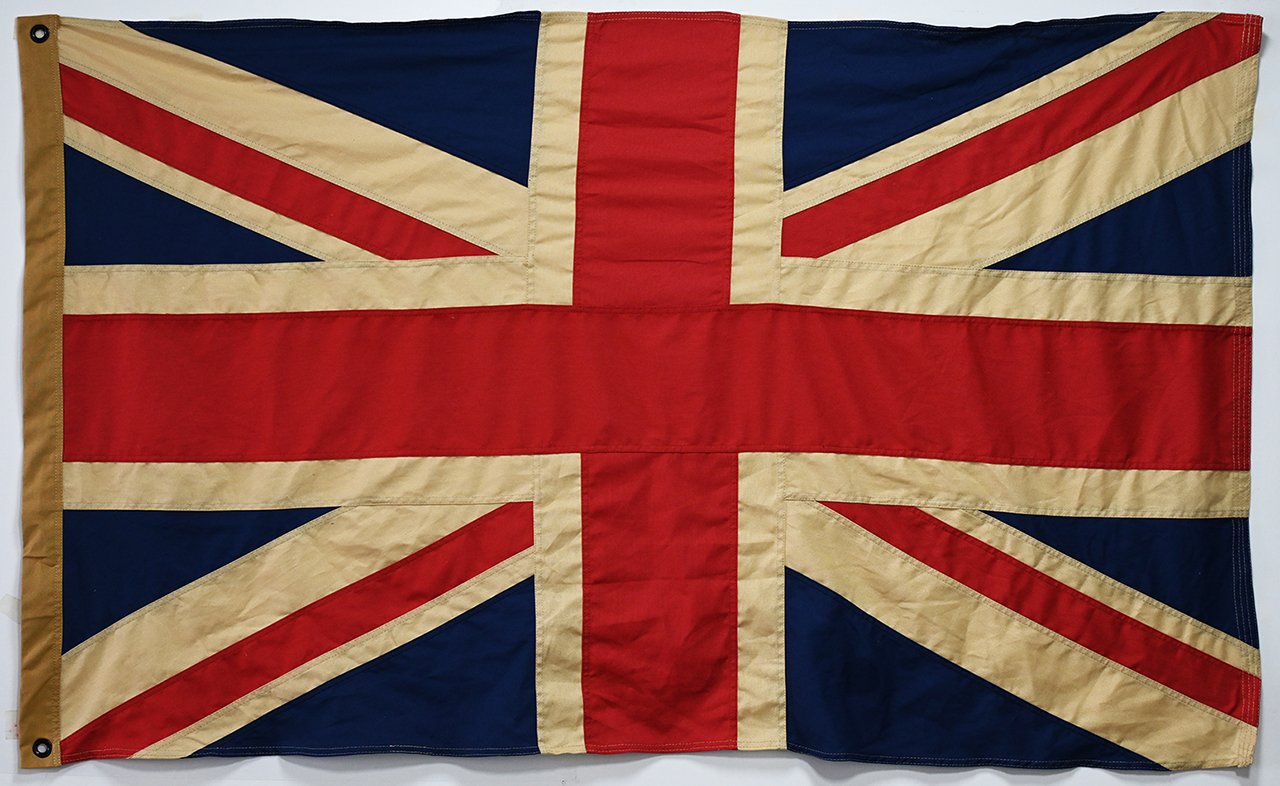
Flags have been used for thousands of years. The earliest recorded flags were metal or wooden poles with emblems, used by ancient Egyptians, Persians, and Romans to identify military units. By the medieval period, fabric flags became common in Europe, often displaying heraldic symbols. The concept of the national flag emerged in the 17th century, with Denmark’s Dannebrog (1219) often cited as the oldest continuously used national flag design. The industrial revolution brought mass production of flags using cotton and wool, but it wasn’t until the 20th century that synthetic materials like nylon and polyester revolutionized the industry. Today, flags are made with advanced digital printing, screen printing, and embroidery, allowing for incredible detail and durability.
Understanding Flag Materials: 210D vs. 420D Polyester and Nylon
Choosing the right material is the most critical decision when ordering a flag. At flags-factory.com, we specialize in three main materials:
210D Polyester
210D (denier) polyester is our most popular material for custom flags and promotional banners. It is lightweight yet durable, with a tight weave that resists fraying and fading. Perfect for indoor use or moderate outdoor conditions, 210D polyester offers excellent color reproduction for screen-printed or digitally printed designs. It is also wrinkle-resistant and dries quickly after rain.
420D Polyester
For heavy-duty applications—such as large outdoor national flags, stadium banners, or flags that will fly in high-wind areas—420D polyester is the ideal choice. This heavier fabric is twice as thick as 210D, providing superior tear resistance and wind tolerance. It is often used for sewn flags where multiple panels are stitched together, ensuring the flag retains its shape after years of use. The higher denier also means colors stay vivid longer under intense UV exposure.
Nylon
Nylon flags are known for their brilliant luster and lightweight feel. Nylon is the classic material for American flags and many national flags because of its vibrant appearance and ability to fly in even the lightest breeze. However, nylon is less UV-resistant than polyester and may fade faster in extreme sun. It is an excellent choice for custom flags used indoors or in sheltered outdoor areas.
| Material | Weight | Durability | Best Use | Fade Resistance |
|---|---|---|---|---|
| 210D Polyester | Light | Good | Custom indoor/outdoor, promotional | Very Good |
| 420D Polyester | Heavy | Excellent | Large flags, high wind areas | Excellent |
| Nylon | Light | Fair to Good | Indoor, light breeze outdoor | Fair |
Manufacturing Techniques: Sewing, Embroidery, and Screen Printing
How a flag is constructed matters as much as the material. We employ three primary methods:
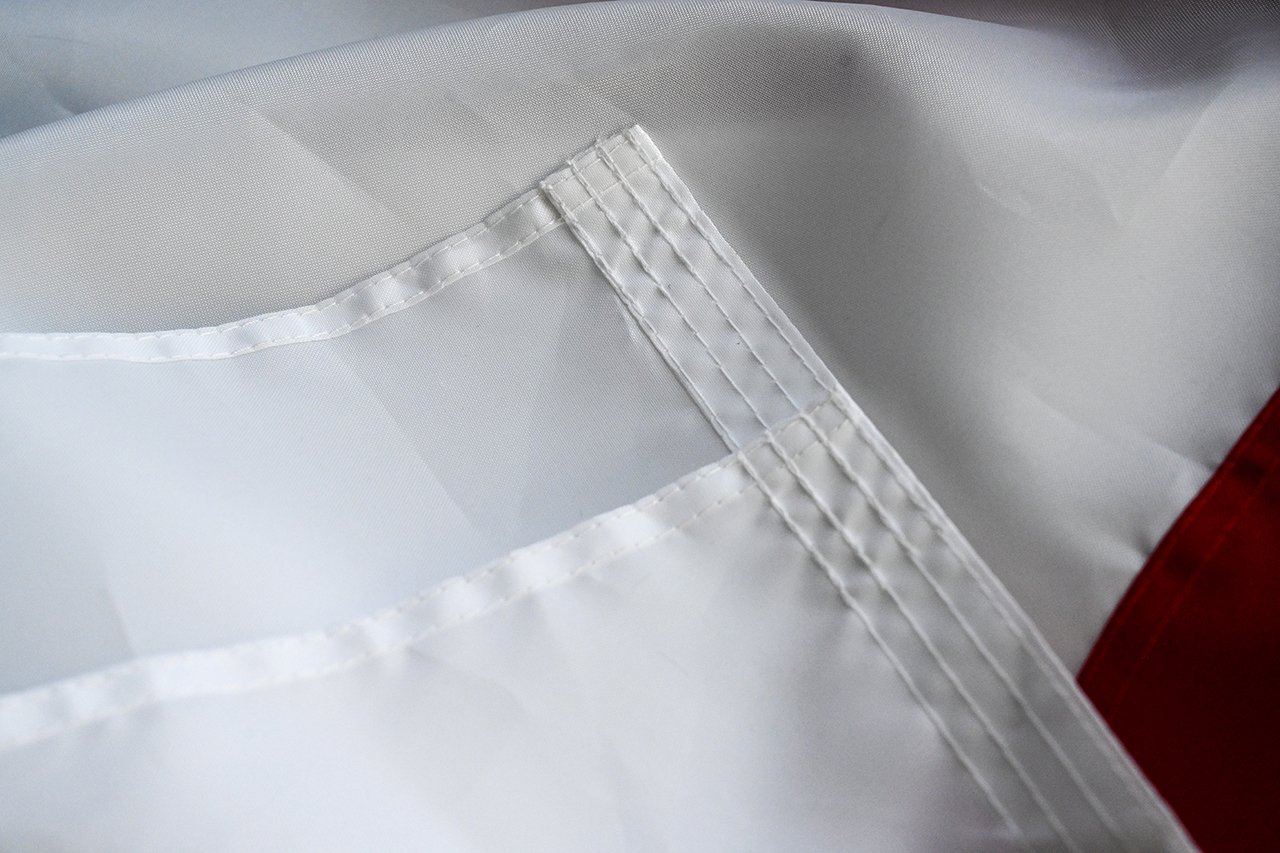
- Sewn Flags: The traditional method where pieces of colored fabric are cut, sewn together, and then hemmed. This produces the most durable flag, with designs that are integral to the fabric. Ideal for national flags and large banners. Each seam is double-stitched for strength.
- Embroidery Flags: For intricate details like seals, coats of arms, or lettering, embroidery uses thread to create a raised, textured design. Common for military flags and custom corporate flags. The back of the flag may show reverse stitching unless double-sided embroidery is specified.
- Screen Printing / Digital Printing: Modern techniques allow full-color designs to be printed directly onto fabric. Screen printing uses ink forced through a mesh stencil, while digital printing uses inkjet technology. Both produce vivid colors and fine detail, but screen printing is more cost-effective for large runs. Digital printing is perfect for small orders with complex artwork.
Proper Flag Care and Usage Tips
To maximize the life of your flag, follow these professional guidelines:
Flagpole and Hardware
Ensure your flagpole is smooth and free of sharp edges that can snag fabric. Use a flagpole with a properly sized halyard (rope) and anti-friction pulleys. For large flags, consider using a truck-end with a ball bearing to reduce wear on the header.
Weather Avoidance
Even heavy-duty polyester flags should not be flown in severe weather. When winds exceed 20-30 mph (depending on flag size), take the flag down to prevent tearing. If you fly your flag 24/7, invest in a premium 420D polyester flag and plan to replace it every 3-6 months.
Cleaning
Clean your flag periodically to remove dirt, dust, and pollutants that cause fading. Hand wash in cold water with mild detergent (never bleach). For large flags, gentle machine wash on delicate cycle is acceptable. Air dry only—never put a flag in the dryer as heat can damage fibers and heat-sealed edges.
Repairs and Rotation
Inspect flags monthly for fraying seams, broken stitches, or loose embroidered threads. Small repairs can be done at home with a needle and thread, but for high-quality flags, consider professional repair at flags-factory.com. Rotate your flag if possible—especially if it flies facing the same direction—to even out sun exposure and wind wear.
Conclusion: Invest in Quality, Fly with Pride
Whether you’re a homeowner looking for a durable outdoor flag, a business needing custom banners, or a government entity ordering national flags in bulk, the choice of material and construction directly impacts appearance and longevity. At flags-factory.com, we offer 210D and 420D polyester flags, nylon flags, and fully customizable options—each crafted with precision sewing, embroidery, or digital printing. Our factory in Weifang, Shandong, has been producing premium flags for over a decade, and we stand behind every product we ship.
Ready to upgrade your flag? Browse our collection today and find the perfect material for your needs. Whether you need a single custom flag or a wholesale order, we deliver quality that flies high for years to come.
