

The Complete Guide to Flag Materials: Choosing the Right Fabric for Durability and Display
Whether you’re flying a national flag at a government building, displaying a company banner at a trade show, or ordering custom flags for an event, the material you choose determines how your flag looks, feels, and lasts. At FlagsWin (旗韵), based in Weifang, Shandong—China’s flag manufacturing hub—we produce flags in a range of premium materials. This guide breaks down the most common flag fabrics, their pros and cons, and essential care tips to keep your flags flying proudly.
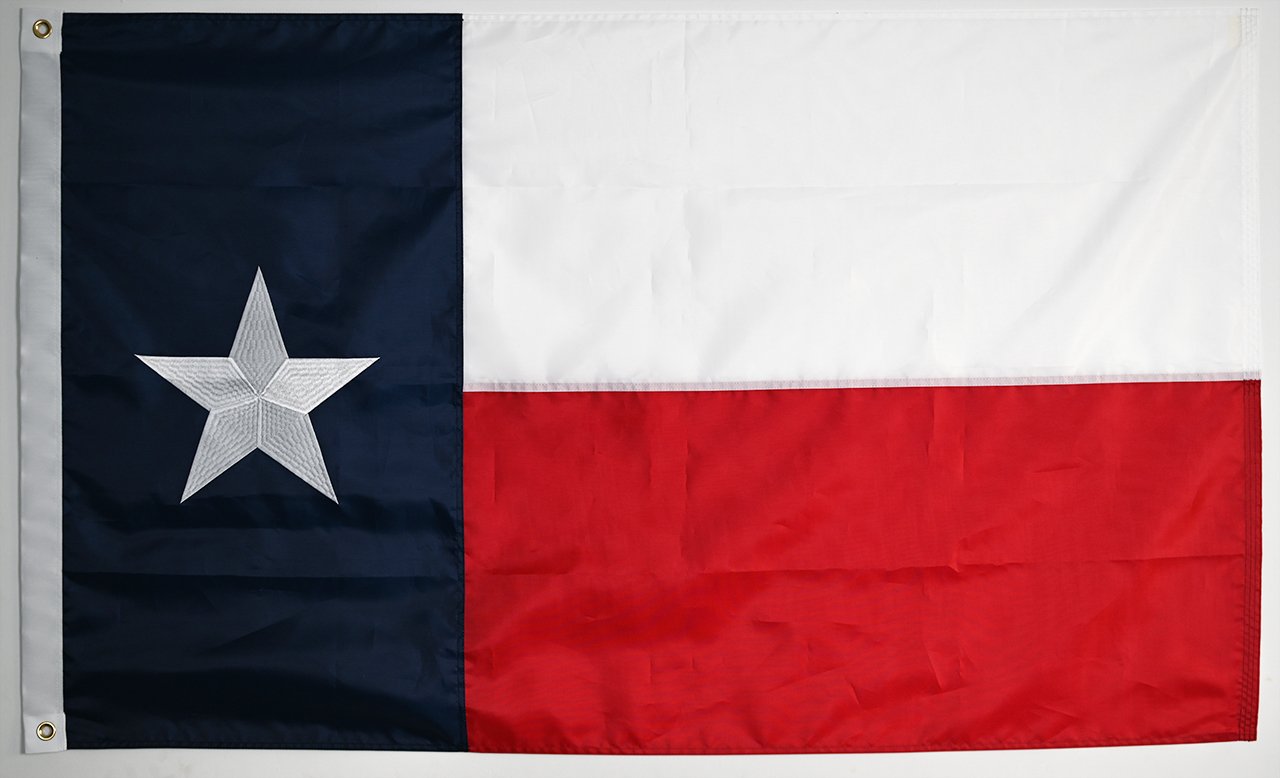
Understanding Flag Fabrics: Polyester vs. Nylon
Two materials dominate the flag industry: polyester and nylon. Each has distinct characteristics that suit different environments and budgets.
Polyester Flags: The Heavy-Duty Choice
Polyester is a synthetic fiber known for its strength, color retention, and resistance to weathering. FlagsWin produces two primary weights:
- 210D Polyester: A standard-weight fabric ideal for indoor display, parades, and moderate outdoor use. It offers a crisp appearance and vibrant colors through screen printing or dye sublimation.
- 420D Polyester: A heavyweight, ultra-durable material designed for extreme outdoor conditions. It resists fraying, fading, and tearing even in high winds. Perfect for large flags on permanent poles.
Polyester flags are typically printed using digital dye sublimation, which infuses ink into the fibers, or sewn with embroidered elements for a textured, premium look. They resist water and mildew better than natural fibers.
Nylon Flags: The Lightweight Performer
Nylon is lighter than polyester, allowing flags to fly in the slightest breeze. It has a lustrous sheen and excellent color brilliance. Nylon flags are commonly used for residential displays, small businesses, and ceremonial purposes. However, they are less durable in harsh sun and high winds compared to heavy polyester.
| Material | Weight | Durability | Wind Performance | Best Use |
|---|---|---|---|---|
| 210D Polyester | Medium | Good | Moderate | Indoor, events, moderate outdoor |
| 420D Polyester | Heavy | Excellent | Excellent (low flutter) | Permanent outdoor, high wind areas |
| Nylon | Light | Fair | Best (flies easily) | Residential, ceremonial, light use |
A Brief History of Flag Materials
Flags have evolved dramatically. Early flags were made of wool, cotton, or linen—natural fibers that deteriorated quickly outdoors. In the 20th century, synthetic materials revolutionized flag production. Nylon became popular after World War II for its lightweight and quick-drying properties. Polyester followed, offering superior UV resistance and strength. Today, FlagsWin uses advanced digital printing and high-tenacity threads to create flags that withstand years of use.
Proper Flag Care: Extending the Life of Your Flag
Even the best materials need care. Follow these tips to maximize the lifespan of your flags from flags-factory.com.
1. Weather Awareness
Remove flags during severe weather—heavy rain, snow, or winds above 30 mph. Modern polyester can handle rain, but continuous wetness can lead to mildew on folded areas.
2. Cleaning Your Flag
- Hand wash or machine wash on gentle cycle with cold water and mild detergent.
- Never use bleach or harsh chemicals—they strip color and weaken fibers.
- Air dry flat. Avoid direct sunlight for extended drying.
- For embroidered or sewn flags, dry cleaning is recommended.
3. Storage
Store flags in a cool, dry place. Fold loosely to avoid permanent creases. Use a breathable fabric bag—never plastic, which traps moisture.
4. Repair and Rotation
Inspect flags monthly for frayed edges or loose stitching. Many flags at FlagsWin include reinforced stitching and canvas headers. Rotate flags periodically to ensure even sun exposure.
Manufacturing Techniques: How Your Flag is Made
Understanding production helps you choose the right product:
- Screen Printing: Ideal for simple designs with bold colors. Ink is pushed through a mesh stencil onto fabric.
- Dye Sublimation: Used for full-color, photographic designs. Heat transfers dye into polyester fibers, resulting in vivid, fade-resistant images.
- Sewn Flags: Individual panels of colored fabric are cut and stitched together. These are the most durable and authentic, often used for national flags.
- Embroidered Elements: Adds texture and a premium feel, common for seals and crests.
Why Choose FlagsWin for Your Custom Flags?
At flags-factory.com, we combine years of manufacturing expertise with modern technology. Every flag undergoes quality checks for stitching, color accuracy, and material consistency. Whether you need a single custom banner or bulk orders for an organization, we offer:
- Free design consultation
- Rush production options
- Worldwide shipping
- Eco-friendly materials upon request
Final Thoughts: Invest in Quality
Choosing the right flag material is an investment in appearance and longevity. For high-traffic areas and outdoor permanence, 420D polyester from FlagsWin is unmatched. For lightweight display and vibrant colors, nylon or 210D polyester serve beautifully. With proper care, your flag will remain a source of pride for years.
Ready to find your perfect flag? Browse our extensive collection of national flags, custom designs, and promotional banners at flags-factory.com. The FlagsWin team is here to help you make the right choice.
