

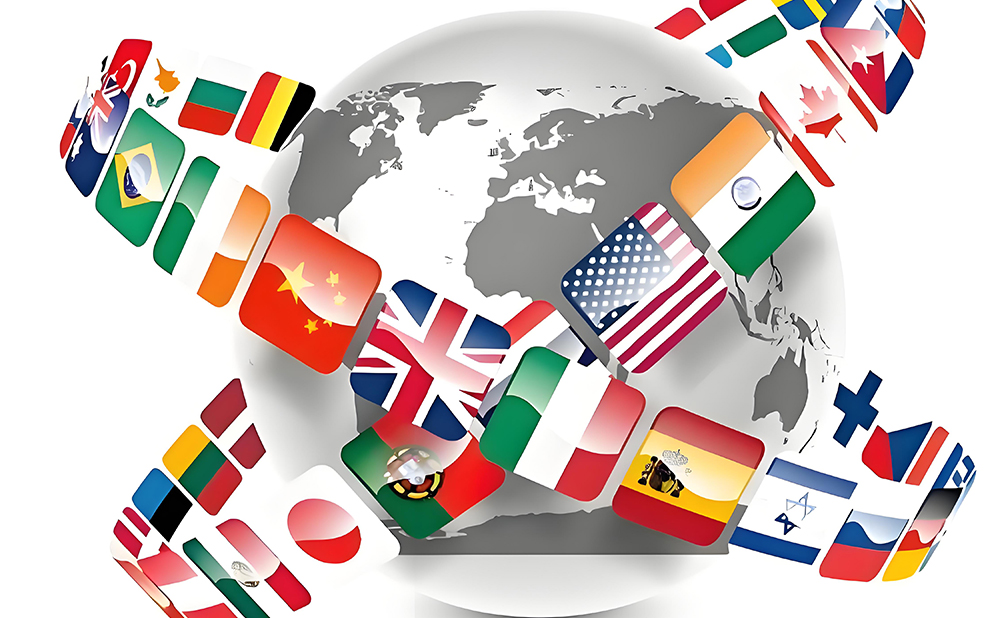
The international flag trade has entered a period of significant transformation, with market analysts identifying three key factors driving changes in global commerce. From diplomatic tensions to sporting events, flags continue to serve as powerful political and cultural symbols with growing commercial importance.
- The Sustainability Movement Reaches Textile Symbols
European importers now request recycled polyester in 68% of new flag contracts (Textile Exchange 2024), while North American buyers demonstrate 42% higher preference for eco-friendly certified dyes compared to pre-pandemic levels. The shift reflects broader environmental concerns, with Germany recently implementing strict regulations on flag disposal and France offering tax incentives for eco-friendly national symbols. - Geopolitical Changes Fuel Unexpected Demand Surges
Data from the International Vexillological Association shows:
New national flag orders increased 300% following South Sudan’s creation in 2011
The Ukraine conflict drove 170% spike in Eastern European flag production
Recent BRICS expansion created ripple effects across developing markets
“These events don’t just affect political flags,” notes trade analyst Raj Patel. “They reshape entire regional supply chains for commemorative and solidarity banners.”
- The Digital-Physical Convergence
While physical flag sales grow at 4.2% annually (Smithers 2024 Report), digital integration presents new opportunities:
Smart flags with NFC chips for augmented reality experiences
Event planners combining physical banners with digital mapping projections
Museums using hybrid displays where historic flags trigger multimedia content
Manufacturing and Logistics Challenges
Global trade uncertainties continue affecting the sector:
Cotton tariffs alter raw material cost structures
Shipping container shortages delay diplomatic deliveries
Cultural sensitivity training becomes essential for cross-border trade
Industry veteran Maria Kowalski observes, “The flag business has always been emotional. Now it’s also increasingly technical – requiring knowledge of everything from blockchain authentication for rare historical reproductions to advanced color matching algorithms.”
With over $3.2 billion in annual global trade according to WTO estimates, flags remain both cultural artifacts and commercial products. Their continued evolution demonstrates how traditional industries adapt to remain relevant in changing times.
